The Car of Tomorrow, The Formula 1 of Today?
Redefining how Formula 1 races to where drivers and fans are comparing it to Mario Kart in the interim is going to work itself out, right?

When the racing season gets going again, my favorite season openers are the Monte Carlo Rally and the Australian Grand Prix. There is a certain energy in the air in both a land down under and up above the principality that sets them apart, though the energy this past weekend in Albert Park was a bit different than the bright, warm, and optimistic norm that often radiates out from Formula 1's current curtain raiser.
This new Formula that equates into the cars that were on track at Albert Park is a fascinating one. There's a lot of moving parts meant to compliment each other component's weaknesses, namely the introduction of retracting front and rear wings to help counteract the relative lack of top speed the new power unit packages have. Those power units with much more complex energy regeneration and deployment through various modes has been the talk of the town, both in terms of reliability but also in terms of how it may redefine what a race actually is within Formula 1.
Formula changes done with the intention of spicing up the show is standard fare for Formula 1, and have often defined the marketing behind technical rule changes in the last few decades. After years of relative stability and changes around the edges Formula 1 will just do this, though doing so at the behest of the engine manufactures as a part of more widespread reformations was not something done in 2014 or in 2022; it's usually been either major power unit or aerodynamic changes and not both at the same time. A new formula will always be a gamble, but it gets compounded this time around within the scope and position of Formula 1.
Formula 1 has never been bigger than it is right now. Under the ownership of Liberty Media the money coming into the sport and the eyeballs looking upon it has never seemed greater; but an attitude from when Bernie Ecclestone ran the sport still remains: that they are the biggest racing championship in the world and by that virtue they can simply do no wrong. Moving from ESPN to Apple TV to the detriment of the primary audience you've tried to capture in the last decade can't possibly go wrong, right? Redefining how Formula 1 races to where drivers and fans are comparing it to Mario Kart in the interim is going to work itself out, right?
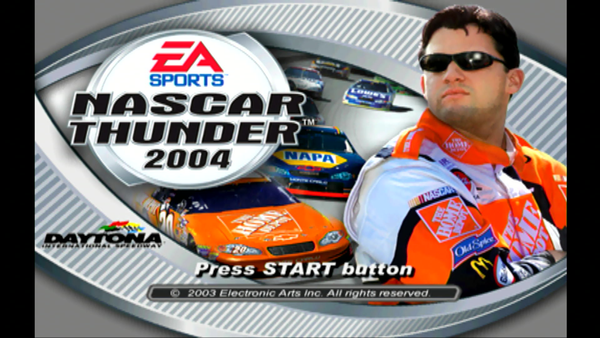
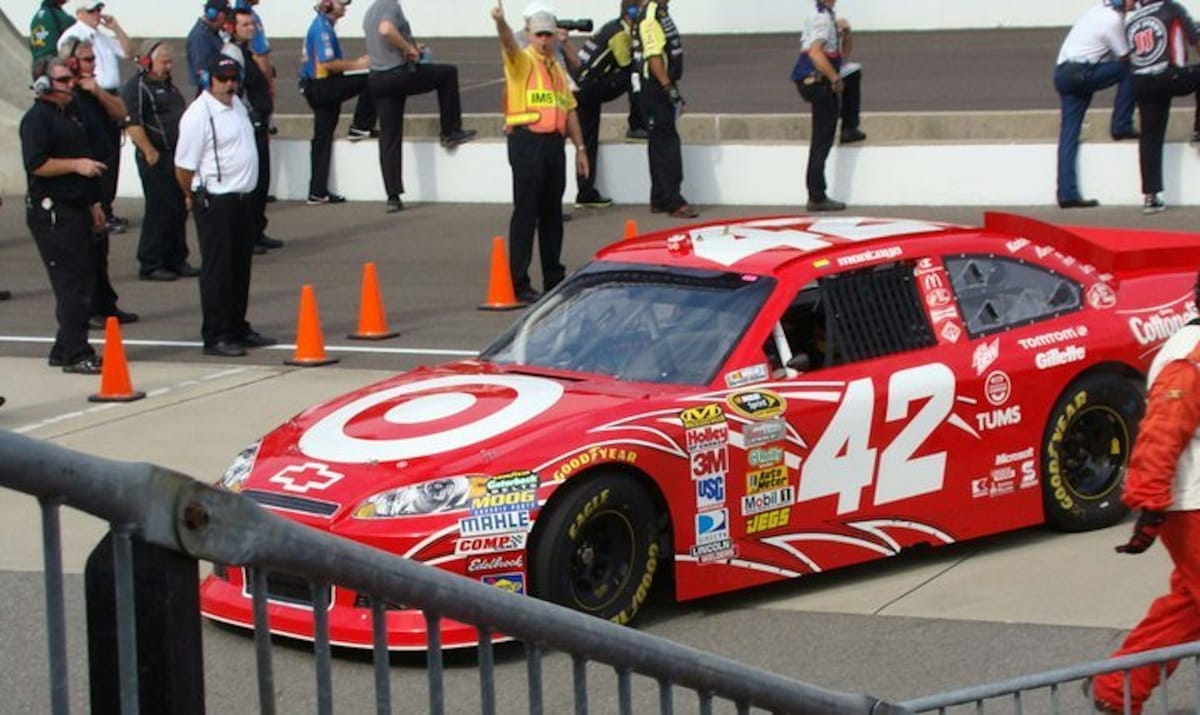
Friend of The Powerhouse Jeffrey Stanton made the comparison to nearly 20 years ago, to when another racing series that similarly believes they can do no wrong made a titanic shift of it's own. NASCAR was riding an incredible wave from the 90s into the 2000s, even as the stagnation of their schedule and the onset of The Chase redefining how a season played out had started to turn some people off. At this time, it felt like every car on the grid had a big dollar sponsor and major corporations were throwing their money behind everything they could on the broadcasts as well. Through it all it was still raw, visceral stock car racing at it's best, though the belief from on-high was that things had to change. The Car of Tomorrow was that reaction after the death of Dale Earnhardt Sr. as a result of his crash in the 2001 Daytona 500, though provisions like the HANS Device and SAFER Barriers would make major impacts regarding safety as well. You just lost your biggest name, something had to be done.
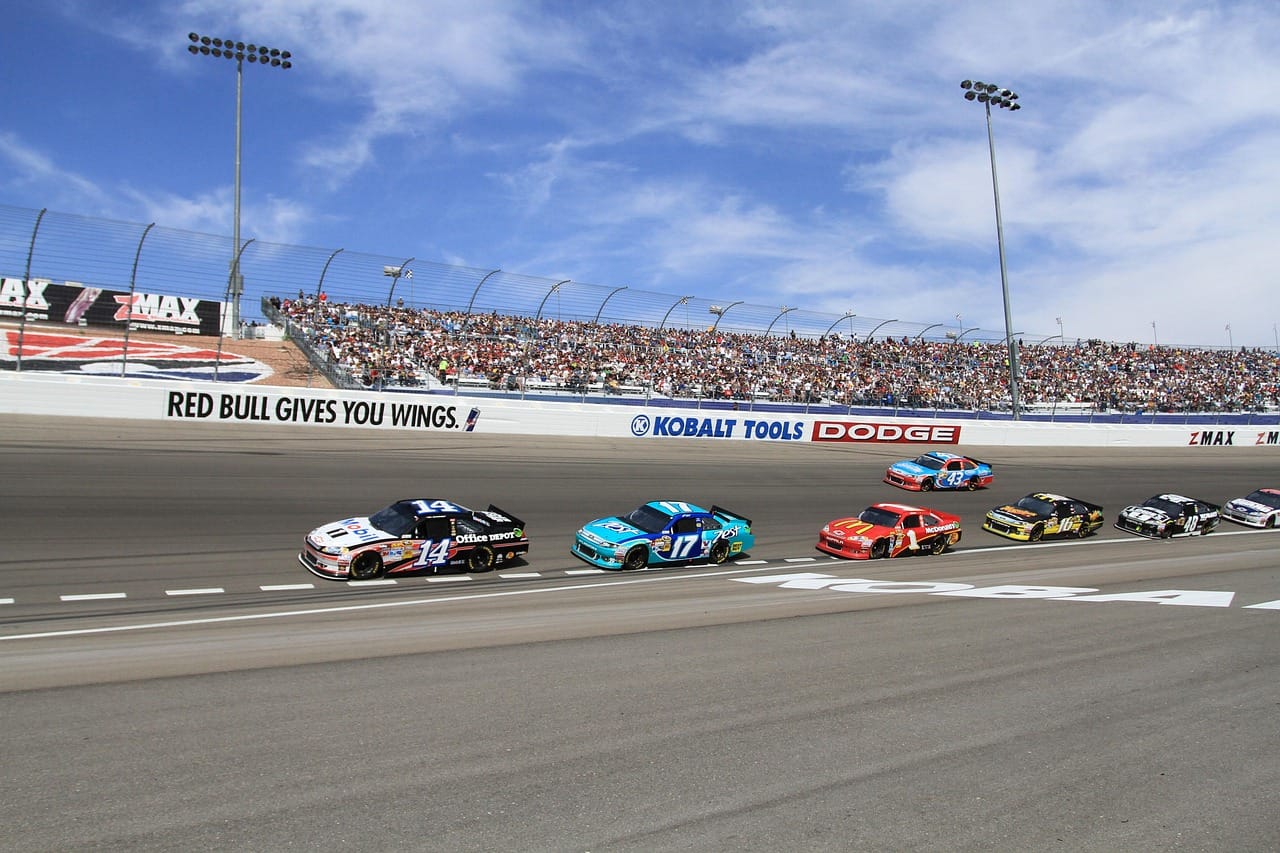
The car that resulted was bulky, stiff, didn't handle very well, but it was incredibly safe. The COT changed how the racing was behind the wheel and was tough sell for those drivers: to this day Dale Earnhardt Jr. says the worst racecar he ever won a race in was any of his wins in a COT period. Kyle Busch won the first race with the Car of Tomorrow, and then would say that he "can't stand to drive them, they suck" in victory lane. Eventually it would get tuned and refined back to being a fun, good handling race car with the Gen 6 though NASCAR's tinkering would go too far with the implementation of the tapered spacer through the middle of the 2010s.
It would have been the biggest nightmare Formula 1 under the tutelage of Liberty Media would have had to navigate if George Russell came out of his Mercedes W17, having won the Australian Grand Prix, and declared that he still wasn't a fan of the new formula. But that didn't happen, what did happen in the race if we take a step back? What did I see?
The Australian Grand Prix from this past weekend was a wild one, but a race of two halves. The virtual safety cars to recover the stricken cars of Isack Hadjar and Valtteri Bottas was that switch that calmed the race down, after the gloves were off and everyone up and down the grid was discovering what it meant to actually race in this new formula. That battle between George and Charles Leclerc was the spectacle that Formula 1 hoped they would get out of this formula, and very nearly became a four way fight when Lewis Hamilton and Kimi Antonelli caught the squabbling pair. There is something there in that ability to fight back and defend that just wasn't there in the fifteen seasons where the DRS was the name of the game, and that expansion of what it means to manage your race to where now it matters in the context of battling is going to be interesting at more technical circuits. If it wasn't for the illegal bombing of Iran by the United States and Israel forcing the alleged impending cancellation, the Bahrain Grand Prix could have been that wave of optimism the formula needs to quell the criticisms much like it did in 2014.
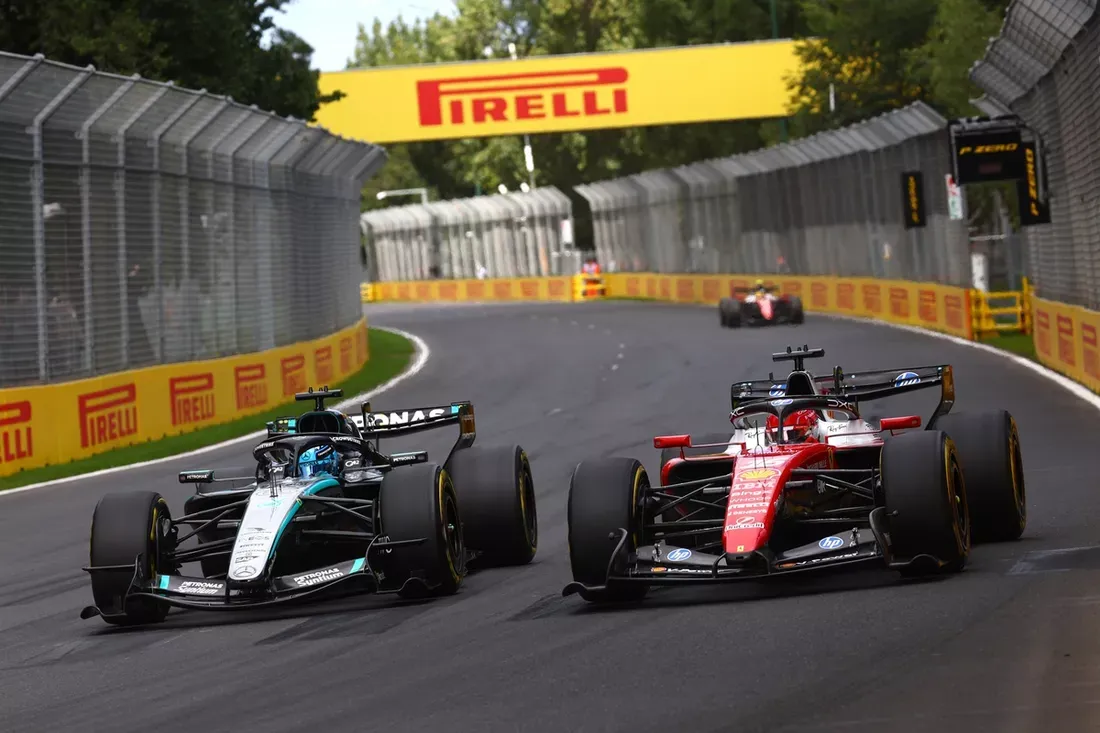
The second half of the Australian Grand Prix revealed itself as the reality of the matter: this is still Formula 1 in the same way it's always been much like with the COT it was still NASCAR stock car racing at it's core. The midfield was still a major battle for the lower points paying positions, and there was still the potential for intrigue at the front if things turned out a little bit differently. The fact that there was that intrigue regarding the tire life of the two Mercedes drivers and the slow comeback out of the Ferrari drivers to lead to a potential late race climax is the best case scenario even if the scenario doesn't actually happen. There are so many more Formula 1 races that are merely blowouts in the favor of one driver or one team compared to contested finishes, and there's reason for me to believe that this formula could naturally lead to more concise beginning, middle, and satisfying finishes than was previously seen in the sport. That potential for intrigue or for races to settle down much later than historically typical might be a job well done for a racing series that is simply never been built to be a good racing product. When Formula 1 has a good race, you thank your lucky stars that they aligned.
With this new formula, I guess the question is when and if those stars will align to calm the nerves of the biggest gamble Liberty Media has taken with Formula 1. Will the US audience they've worked hard to build up through Netflix and ESPN even be there for it considering races are no longer on cable television? That is the one thing NASCAR was smart enough to still exist on, though series management's obsession with Game 7 Moments and stages will continue to alienate people who just want to watch good stock car racing. The Car of Tomorrow still delivered the goods after a long enough timeline, and I just wonder if this new formula will continue to let the line to go up or mercifully bruise a couple egos that desperately need to be brought back in line.
It just depends on if the powers that be take the right lessons from all of this; and considering NASCAR never has, I don't have my hopes up. But the season is still very young, and a lot remains open for interpretation. It is a formula after all.