Thinking Outside The World Rally Box
What if rallying in video games, started to mirror the physical realities of rallying a little bit more? What would that look like?


Within all the little nooks and crannies that makes up the racing genre, the one that truly had it's moment in the sun over the last decade was the rallying video game. Though DiRT Rally wasn't the first one to the river to pan for gold, Codemasters were the ones that hit the mother lode and prompted a lot of different names and faces to head for the river themselves. This was a boom period that I had briefly discussed previously when looking at the framework of a future were sim racing would try and go mainstream, and we're are on the back end of that at least for more contemporary rallying titles. Assetto Corsa Rally feels like the denouement of this period, though another fully licensed WRC title will be happening next year with Nacon getting the license back.
What has allowed this boom period to continue hasn't just been through what the likes of Codemasters or KT Racing brought to the table, but rather through independent developers making what they want to make without being tied to the hip of purely replicating the top level of rallying. Often, they're making better video games than what the big dogs in the yard have made in recent times. If you haven't played Art of Rally, or the recently released Old School Rally or Super Wooden: Rally Edge, you should go out of your way to buy and play them. Art of Rally's sequel, Over The Hill will be a game worth looking out for too when it's time comes. But I want to go beyond when that time comes and beyond whatever the next WRC game might be because the release of Super Wooden: Rally Edge left me with a bittersweet in my mouth, as stellar of a video game it is.
One thing that is undeniable about Super Wooden: Rally Edge and it's indirect prequel Super Wooden GP 2 is that Víctor Justo Dacruz absolutely maximized everything that he wanted his games to be. These are his love letters to road racing and rallying with his own spin on it, using elements from other racing game franchises and putting them into a new and fresh package. The nods to Gran Turismo are undeniable in terms of the menu layout, the upgrading and upkeep of the cars you buy and use throughout the games and are used in the best way in this bite-sized package. But it was that upgrade system of buying parts for cars you get, which are already liveried to look like the real cars they're parodying, was what got me on this thought loop regarding the future of rallying video games.
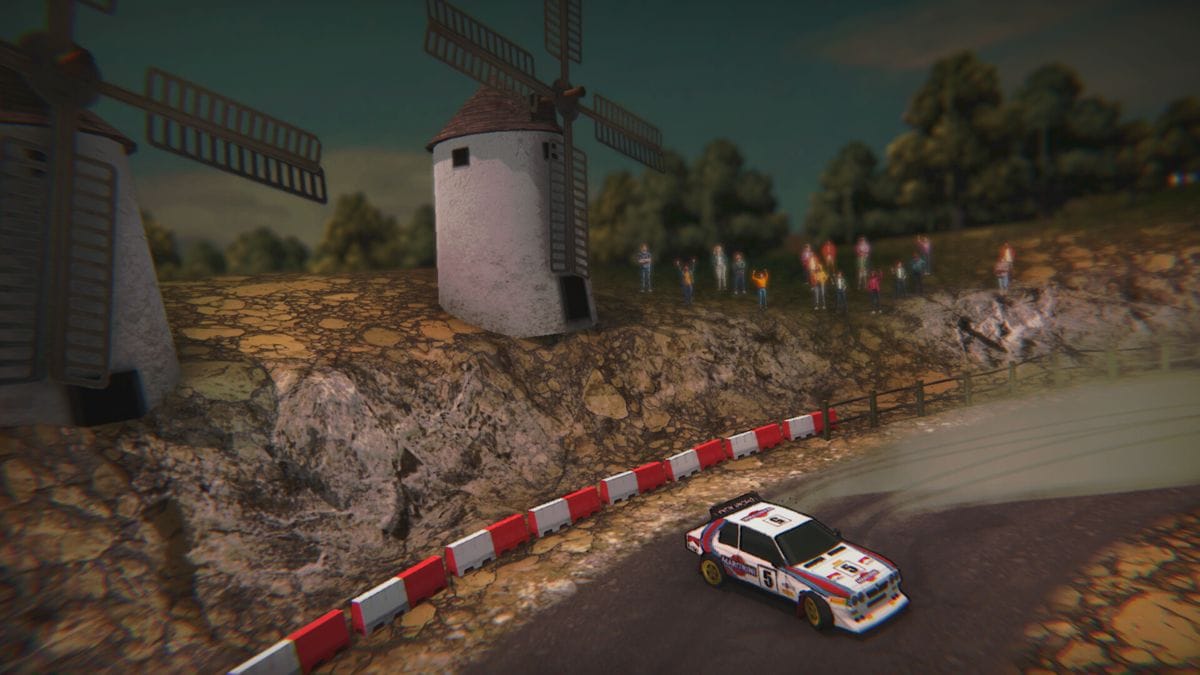
Understandably, a vast majority of rallying video games have their core content, their cars and rally locations, in one way or another derived from the past and present of the World Rally Championship with other off-road disciplines in the periphery if they're included at all. It's to be expected; for a lot of people off-road racing is purely the WRC and by extension the games that are created will be reflection of that. For the most part, there is no issue with that; a World Rally Championship game should be a WRC game. The issue comes in when the game doesn't have the WRC license, but still feels like it's obligated to follow in it's footsteps with how it is and how it's meant to be played; or in this case, what cars you have at your disposal and how they're intended to be used. My big critique of Super Wooden: Rally Edge is that unwillingness to fully let the player do what they want with the cars at their disposal though each of the disciplines, and still feeling obligated to do what's always been done with such cars.
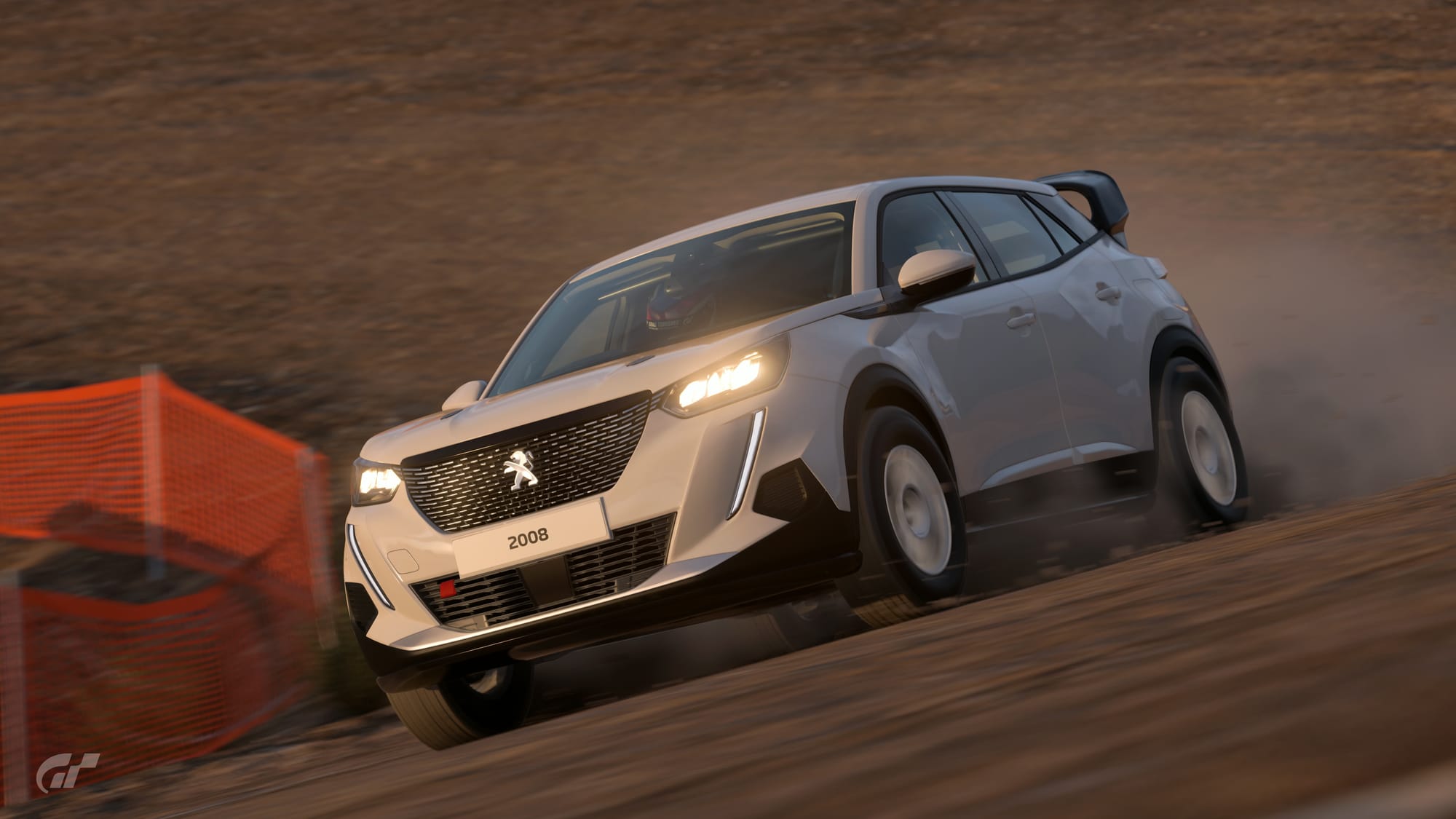
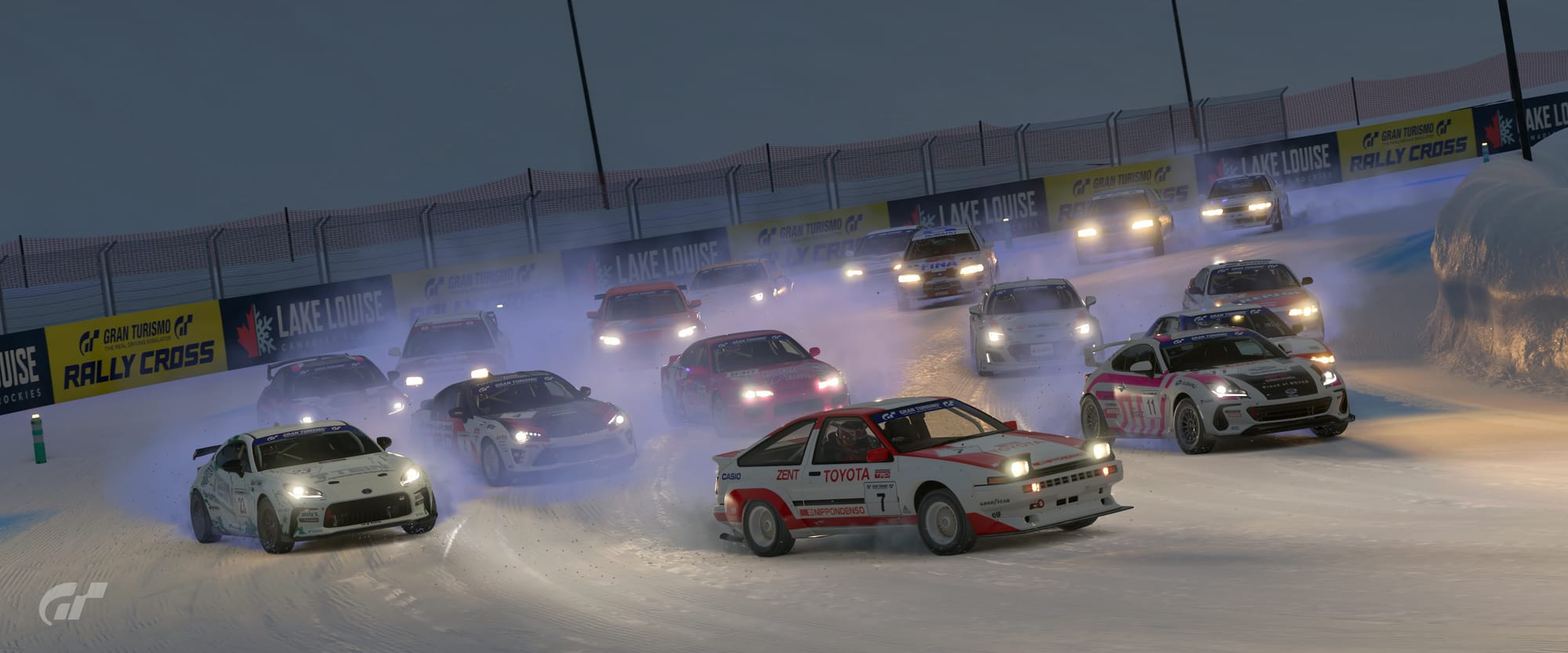
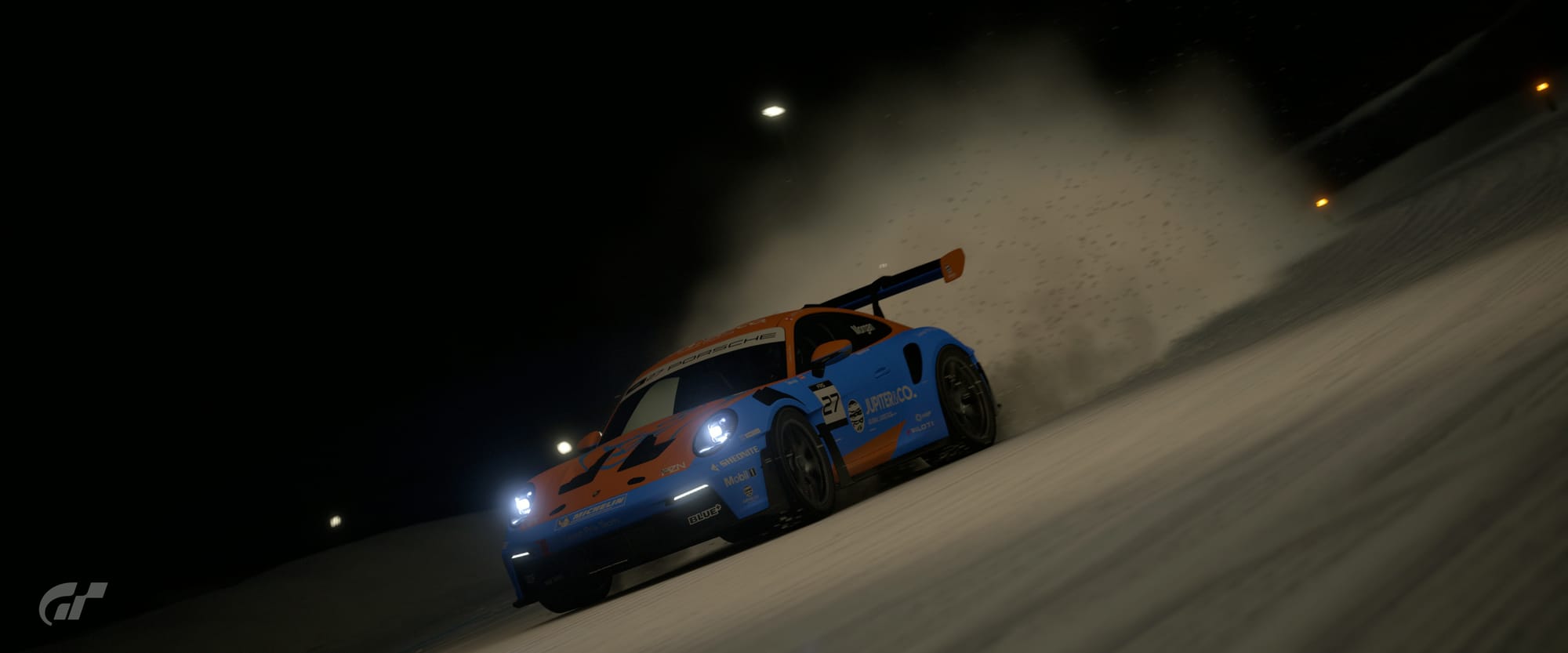
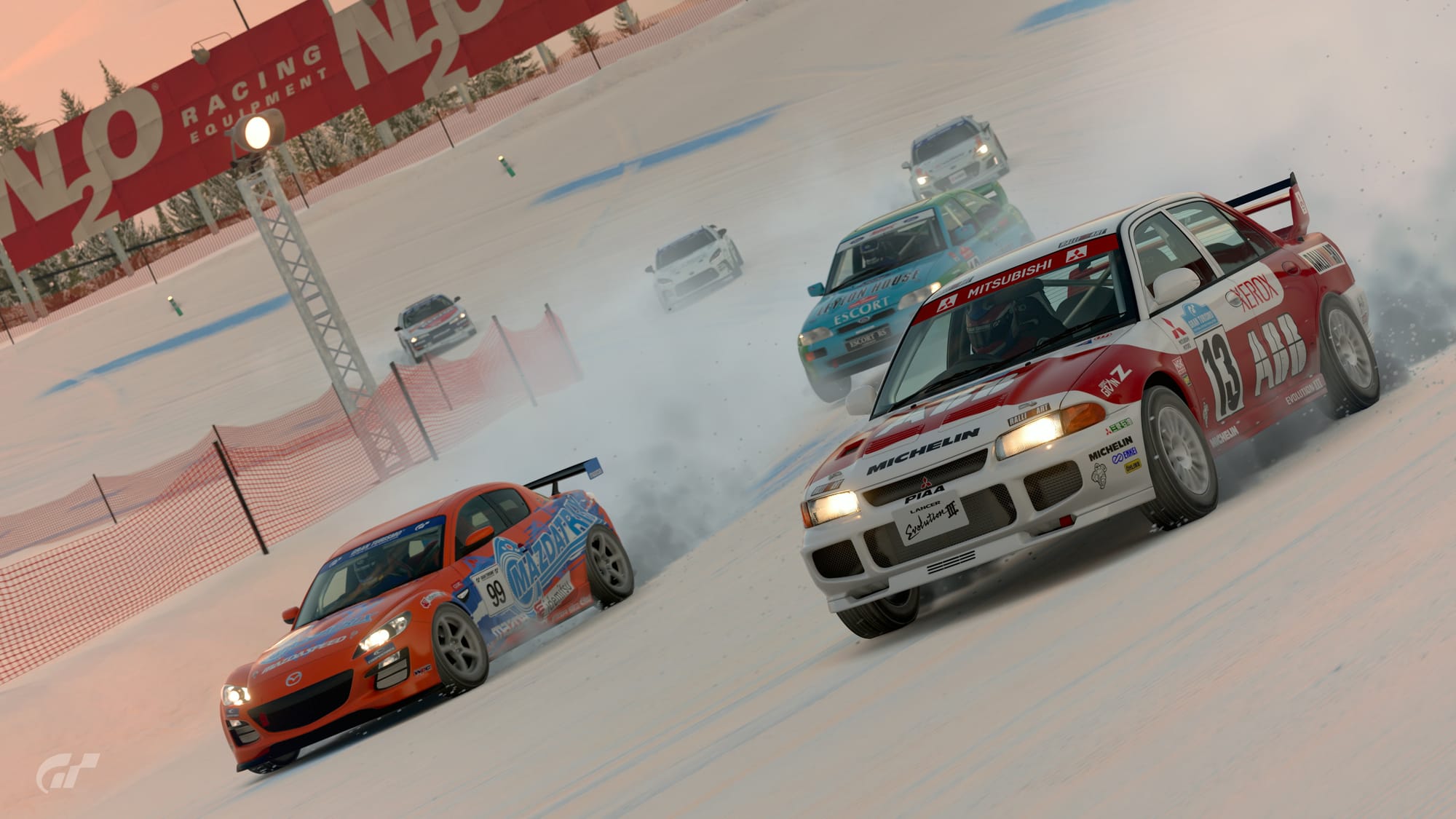
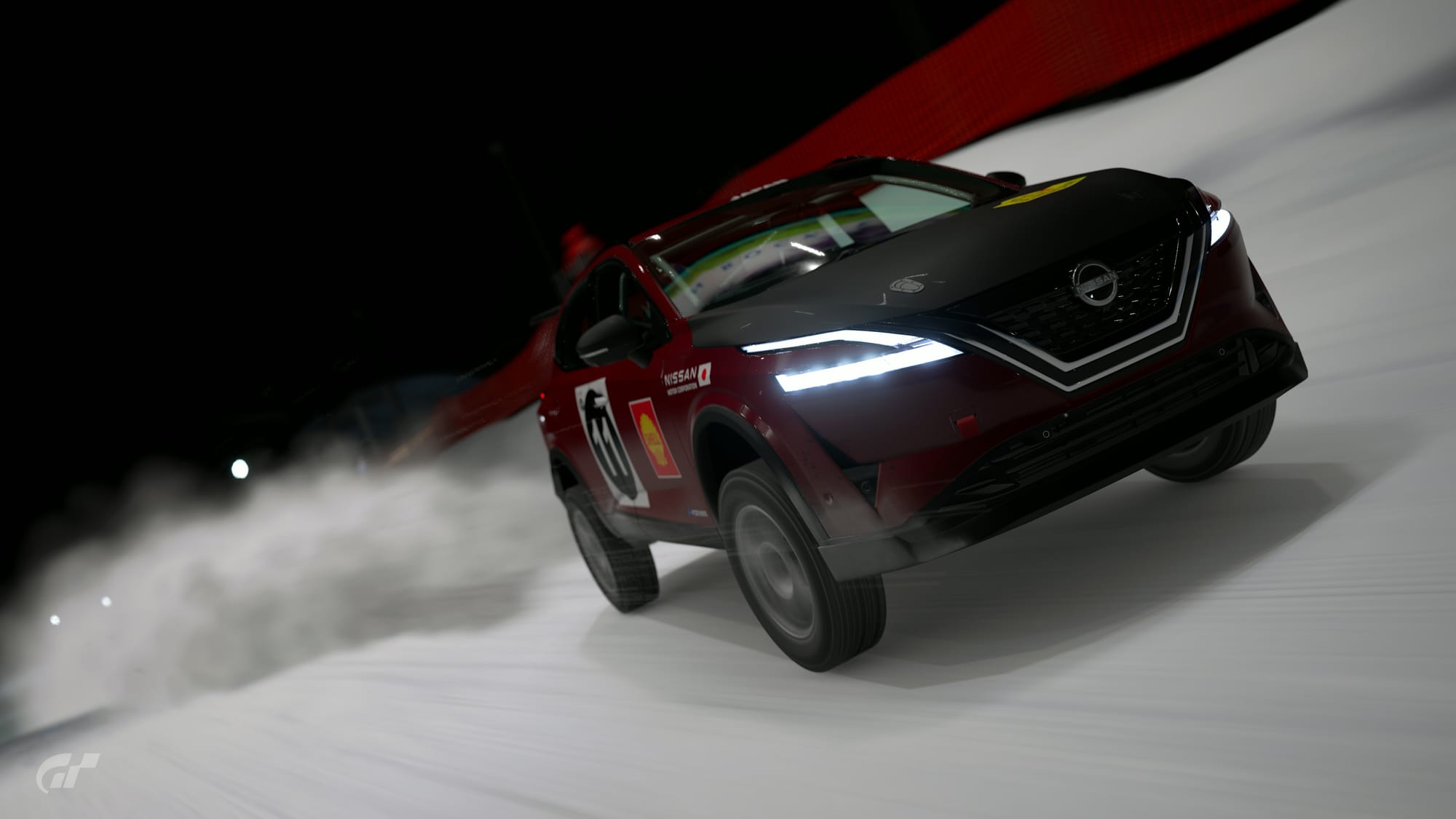
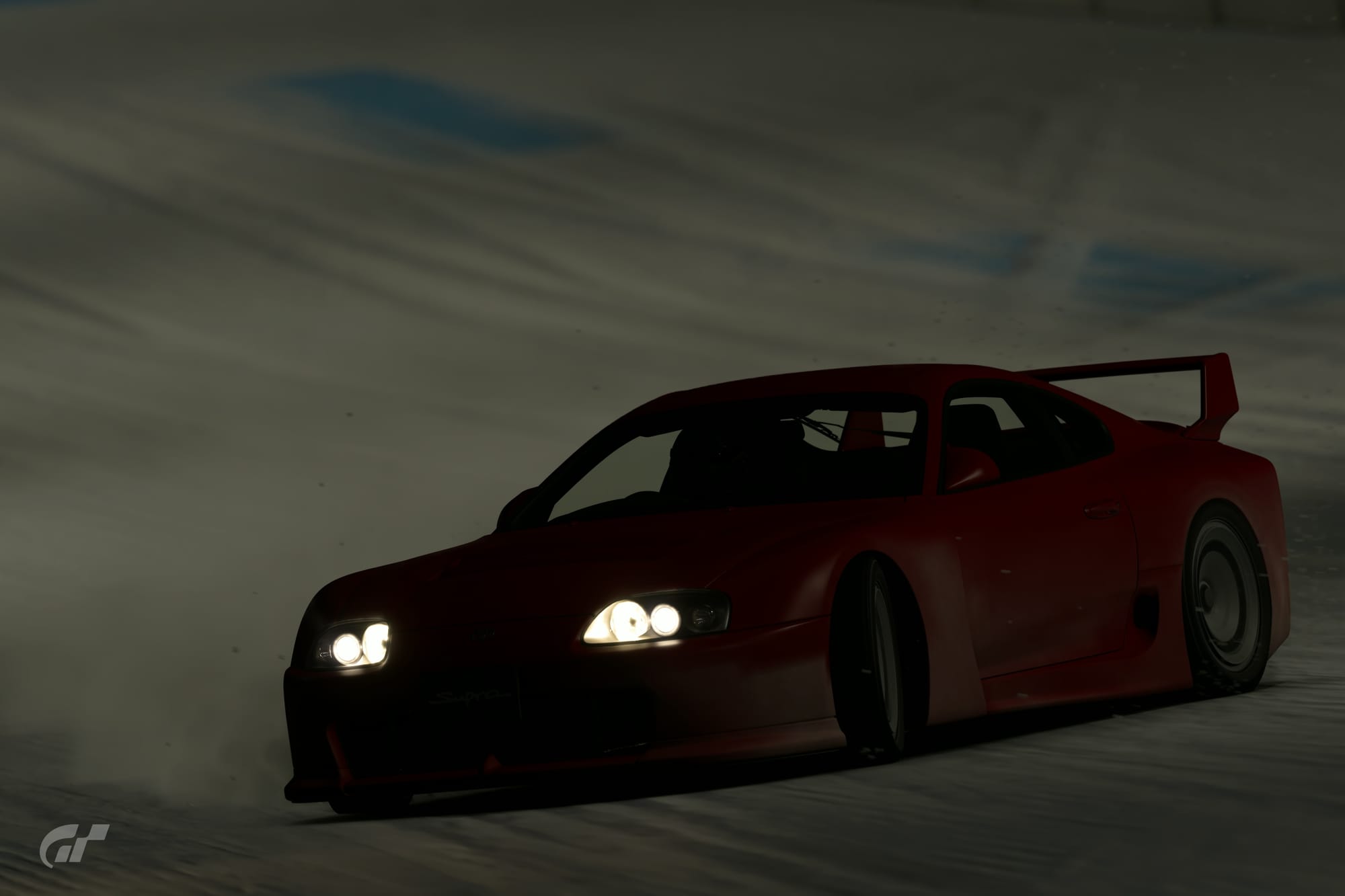
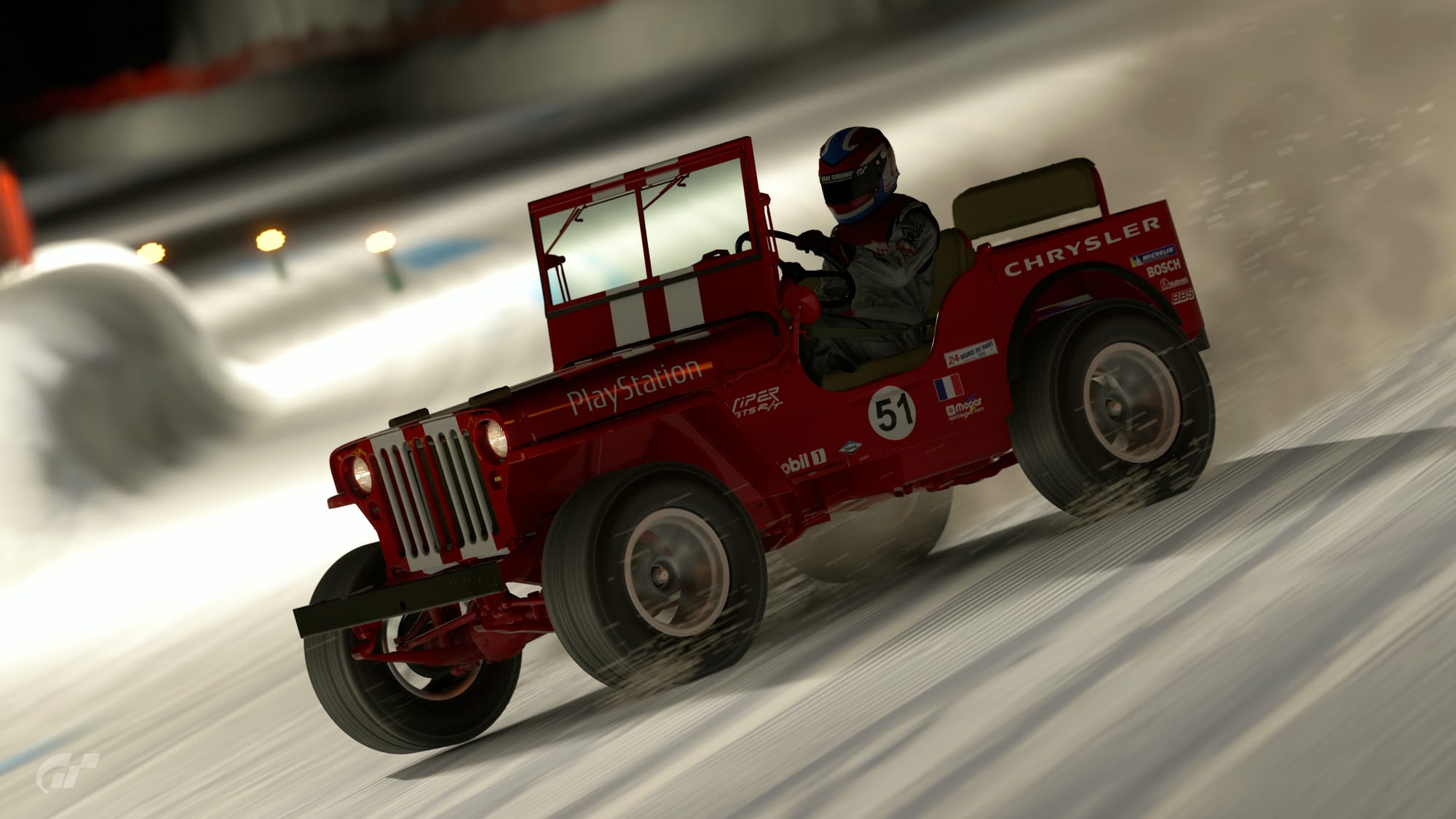
A part of the beauty of Gran Turismo 7 is the amount of cars that can take dirt and snow tires that you would otherwise not expect, even though it's incredibly limited the amount of racing you can do with them. You can effectively upgrade and tune any of these cars into a more pure rally car, or unleash the performance potential of the engine and make it a fire-breathing rallycross supercar or prerunner. When are we going to see a more dedicated off-road racing game take that potential for creativity and player agency to heart?
The most fascinating and captivating rally cars in the world today do not race in continental Europe, and they're nowhere close to being legal for the technical regulations that comprise the WRC or it's main support category WRC2. They're home-brewed, and made my inquisitive minds that looked at what the rulebook said they could or couldn't do and asked, "what could we do that's fully legal, but also cool and fun?" They looked at the rulebook but without the impetus of making the fastest rally car that's capable of beating what comes out of Vermont SportsCar and made two of my personal favorite racecars of modern times.
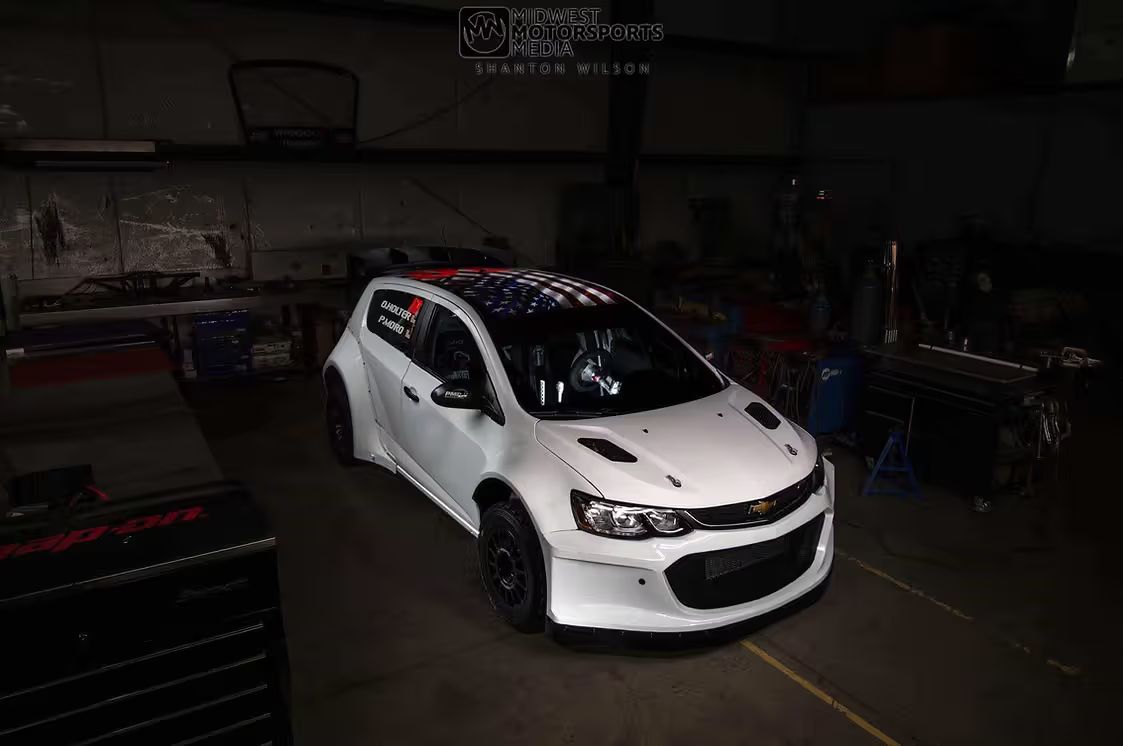
The cars I am talking about are Pat Moro's LT1-powered Chevy Sonic, and Sam Albert's Subaru Impreza powered by a Ferrari V8. Both of these cars, and the LS3-powered Sonic Pat previously built, are fully legal within the Open 4WD regulations that are the backbone of the American Rally Association and the Canadian Rally Championship. Their main caveat is that the Chevy Sonics have to carry a significant weight ballast for being above the normal capacity limits for a naturally aspirated engine, which Albert's Impreza is just below. They are incredible machines to watch on the stages; providing an otherworldly soundtrack as they go through forests and snow-covered backroads in contrast to the more typical 4G63 and EJ20-powered 4WD cars that will always be at home at a rally.
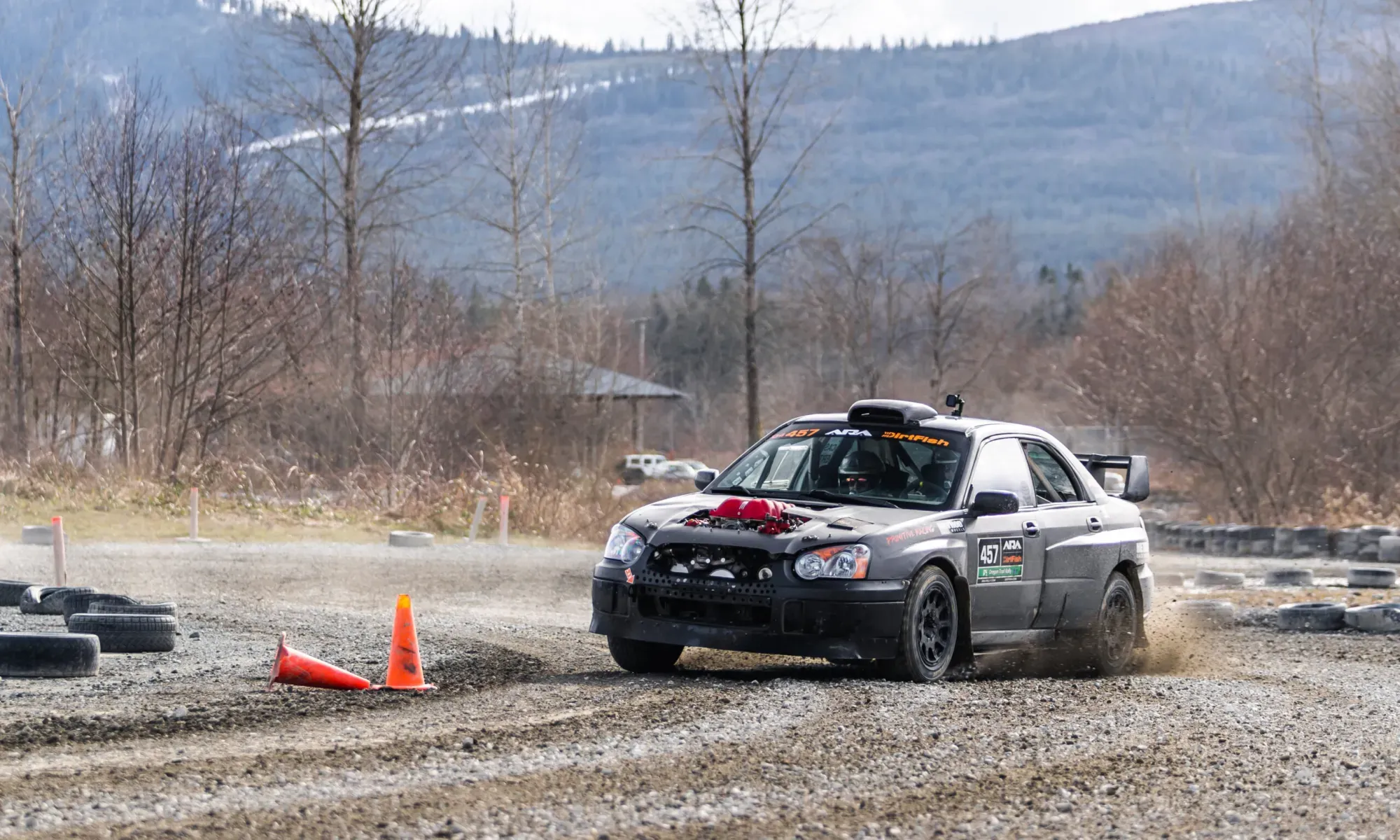
Pat and Albert were given the chance to make the cars that they wanted to race, and that agency in an environment not as constrained by time and money could change the way a rallying video game are perceived and played. What if you could make a E30 BMW that's powered by a turbocharged rotary like what Simon Tiger uses in the Open 2WD category of the RallyX series? What if the idea of a meta was no longer a problem a rallying game had to deal with simply due to the nature of what was raced could never possibly reach a theoretical pace ceiling in the same way as modern rally cars can in Assetto Corsa Rally and EA Sports WRC? What if rallying in video games, started to mirror the physical realities of rallying a little bit more? What would that look like?
The discipline of rallying may be the most fascinating racing category of them all, largely because I believe it to be the most human form of racing there is. The actual act of a race can be viewed through the lens of multiple types of literary conflict happening at the same time. Generally the person vs. person conflict is the one we most actively see in racing; in a wheel to wheel racing environment it's the type of conflict that will always have the spotlight. The person vs. nature conflict that does exist in racing typically only gets highlighted when the heavens open and a dry race becomes a wet one. A by-product of racing in the rain is the third main conflict that exists in racing comes to the forefront, being the conflict of the person vs. self. In the ideal conditions and as safety has improved across the sport, that third type of conflict has had an evolution in terms of what that conflict is actually about and has started to blur the line of being closer to the conflict of person vs. technology. Person vs. self in racing historically was about how much is the driver willing to risk in order to succeed; fully conscious of the fact that if something goes wrong, if they make a mistake and crash, that they are very likely getting hurt and very possibly dying. It's the potential danger that helped make racing so captivating to audiences around the world, though it meant watching for the crashes can be seen as a misnomer. Things have changed though, as most race cars are now fundamentally safe to where most accidents that cause injury or death are fringe scenarios or freak accidents. It's meant that the person vs. self has evolved into how much can the person maximize what the vehicle they're riding or driving is capable of, with that being most apparent when racing heads into the virtual world.

Unless you have the force feedback on your direct drive wheel set way too strong, you're not going to be worried about potential harm if you have a crash while racing in the virtual world. The old adage of being able to just restart after a crash has taken a new meaning and purpose as the way people race and the cars they are racing has evolved, with realistic rallying video games having the biggest ideological shift as a result. But we need to take a step back first.
With rallying having it's two goals to be first complete the stage and secondly to do so as quickly as possible, it means the importance of the conflicts common in racing are completely different. Yes you still are competing against other entrants to see who has the fastest time, but it exists as an end conclusion to the stage and rally that's taken place. Technically, the overall standings of a rally are provisional until everyone's completed the final stage, and only have an external use with the WRC's current points structure. But to get to that, it's all about the drivers against an environment that by it's nature is incredibly hostile to them. It's all about the fact that the fragility of life is much more up front with danger being around every corner and every ditch, as well as the fact that it isn't just the driver's fate at stake; it's the co-driver, spectators and course workers that are in the firing line even with all precautions in place. It means that rallying is still the rare racing discipline, alongside the riders of the Isle of Man TT, where the original person vs. self conflict is still alive and well in racing and was on full display with the conditions at hand at the recently completed Monte Carlo Rally. That risk awareness and judgement of how hard one is willing to push in the harshest conditions still shines in rallying, and it's a part of why the sport will always be so special. Except, I don't feel that magic in the more recent games that pride themselves on being the realistic rallying experience.
Rallying is meant to be an journey as much as it is also a competition. You are traversing some of the most captivating roads made by man at speeds well beyond what they're normally driven on, and it's hard not to be enthralled by the adventure and the conflicts at hand that are created. For a lot of people who do rally, that's why they partake in the sport; it scratches the emotional and spiritual itch in ways most other racing simply can't and simply completing the rally will always be an achievement. It's a journey that I yearn to see replicated in rallying video games more often that the likes of EA Sports WRC, Assetto Corsa Rally, and DiRT Rally 2.0 go out of their way to reject. Those games put such an emphasis on final stage times by their developers that the adventure and the significance of merely surviving a stage that threw everything at you has been lost. That conflict that you have against your environment feels diminished, and the conflict you have against yourself loses it's nuance and becomes did you make a mistake instead of how hard did you push yourself knowing the potential consequences.
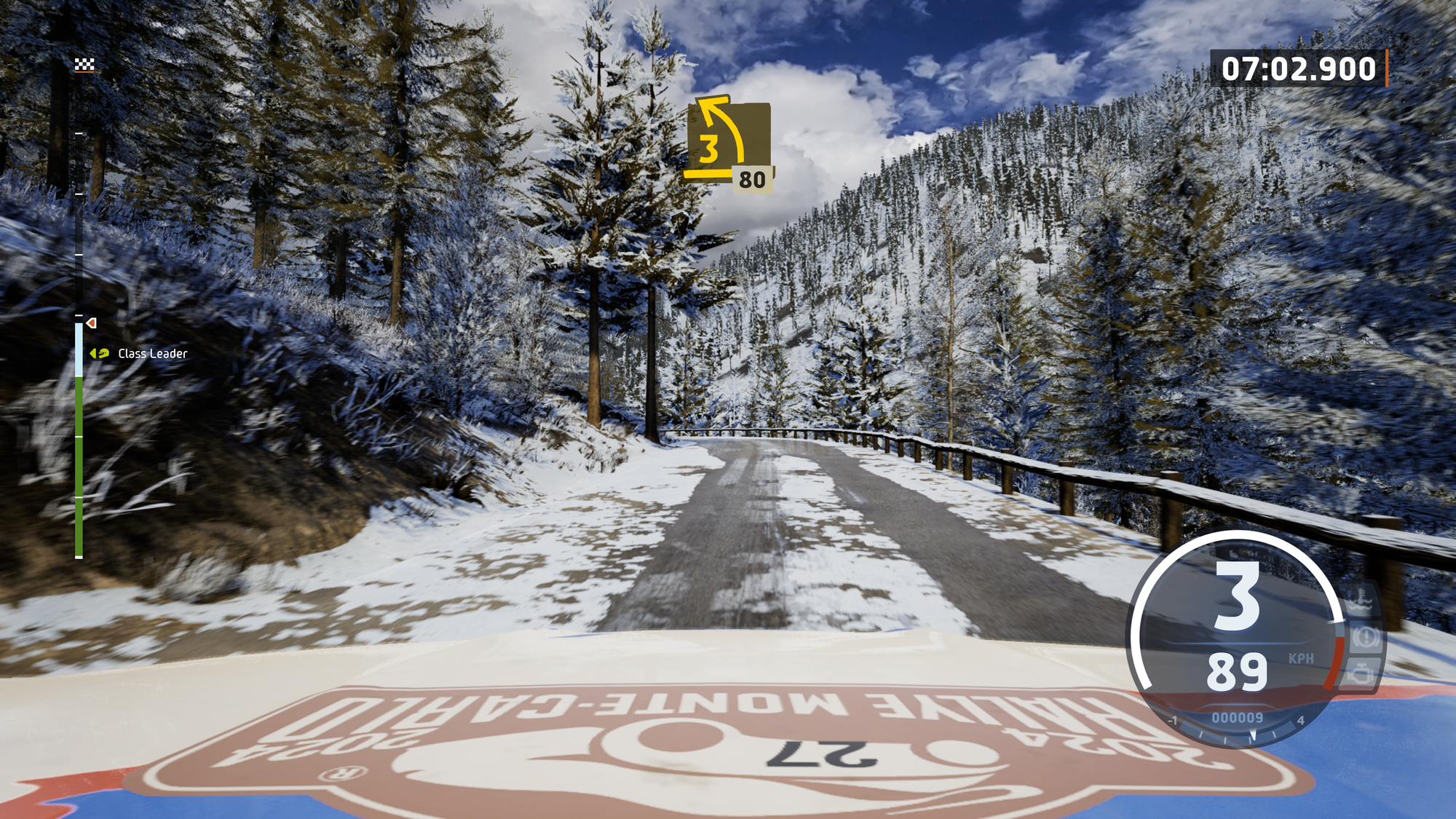
After I had learned some of the bigger stages in EA Sports WRC and understood where the pre-defined condition changes were, rallying stopped feeling like rallying. The most alive environments in all of racing felt more static than they had ever been in the previous decades that the sport have been replicated in racing games and lacked that hostility to you and your car that still allows that magic to exist in Richard Burns Rally. As I had echoed when I went back to replay EA Sports WRC, it started to feel like just another realistic racing game where the car and track combo de jeure was GT3 cars at Spa-Francorchamps, no doubt highlighted by the fact that modern rally cars feel somewhat easy and predictable to drive near the limit. I want to be fighting for my life in the best way in a realistic rallying video game like I'm Ari Vatanen doing The Climb Dance. I want the feeling of accomplishment that Jourdan Serderidis has when he completes a rally in a RC1 car at 62 years old, and not the feeling Thierry Neuville has when he gets the maximum Super Sunday score but only finished sixth with zero mistakes in that same rally. I want a realistic rallying video game that rejects the WRC way of rallying, rejects the way realistic racing games have evolved in the last decade, and rejects the rigidity that has resulted which sucked the whimsy, magic, and the juice out of rallying video games.
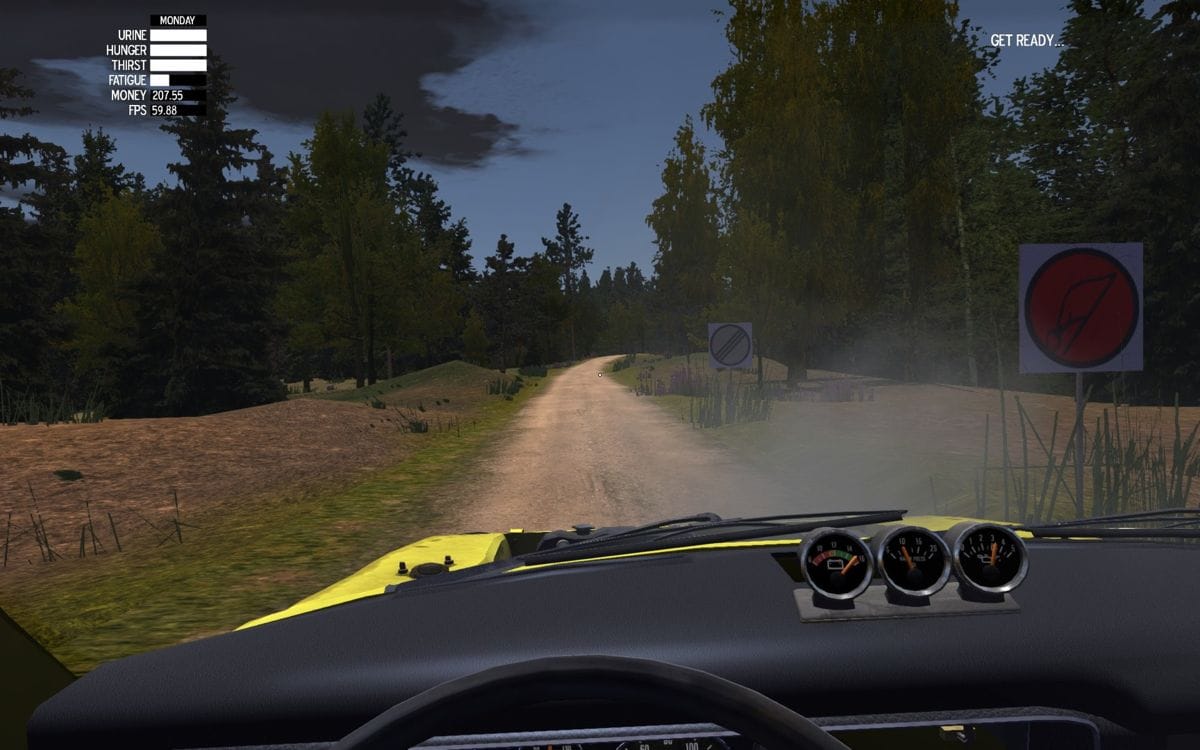
And yet, that magic does exist if you take the trip to rural Finland in the 1990s. Though the use of generative ai is incredibly disappointing, My Summer Car is about that journey, adventure, and the conflicts in rallying. The victory lap of building your Satsuma AMP, race preparing it your way, learning how to drive it, and surviving all the chaos of Finland is the fact that you get to do a rally event in your car. Even as the actual event is only a few minutes long, you're still at the mercy of the incredibly clunky and wooden world of My Summer Car where things can just go wrong even if you are prepared for what might happen. How much are you willing to push if you are using permadeath mode, knowing that you might have to fully start again if you make a mistake or have to rebuild the Satsuma if you survive? Permadeath notwithstanding, those kind of back of mind thoughts are what I want to see more in the future of rallying video games. Team management that means something, smarter rallying that respects the magnitude of a potential mistake, and the exhilaration of going into unknown on the back of procedural generated stages and potentially having to do reconnaissance of those stages between you and your co-driver. These were directions Codemasters were starting to go down with the fantastic DiRT 4, before reversing course to a rallying conveyance that has hit it's effective ceiling in the video game world.
There is still room to grow for rallying video games, as is evident by the rallying that was added in recent updates to BeamNG.drive. It has opened up the possibilities for the future of rallying games, seeking to fully replicate the timeline of an event now mixed with the challenges of the soft-body physics world of BeamNG. You have to transit between stages and adhere to strict timelines between stages when normally all you have to deal with is fitting your repairs within the time frame of service. The potential for it to be the future of rallying on PC is incredibly high as it's modding capabilities continue to be explored, and may leave Assetto Corsa Rally as more of a curiosity of an era of rallying video games that has come to an end. How much does laser-scanned stages bring to the table when it's going to suffer the same fate as EA Sports WRC? Will that as it's hallmark feature make for a better video game for a more generalized gaming audience?
Looking in to the future, there are opportunities to shift the paradigm of what a rallying video game is meant to be. To do that though, their creators must look at what style and character of rallying they want to replicate within their game and how they want to express that. If they want to create their own spin on what the WRC type of rallying is without having the license, what are they going to do to make sure it doesn't run into the same traps that have sucked the fun out of what's currently available? What's the next WRC game from Nacon even going to look like in the first place? If you're not going down that path and instead thinking outside the World Rally Championship box, how will the exhilaration and magic of a rally and all the conflicts and stories it is able to tell be able to come through in your game?
There is so much potential for a contemporary rallying video game to break away from the gameplay conventions that have latched onto them from their traditional realistic racing counterparts. The art and the act of rallying has so much more to give in gaming if we let it stand on it's own two feet and let it be an adventure. There is more to rallying than just if you won the stage or not.