Formula 1's Quiet Tin Anniversary
We used to dream of Formula 1 games like this, and that reality started a decade ago.

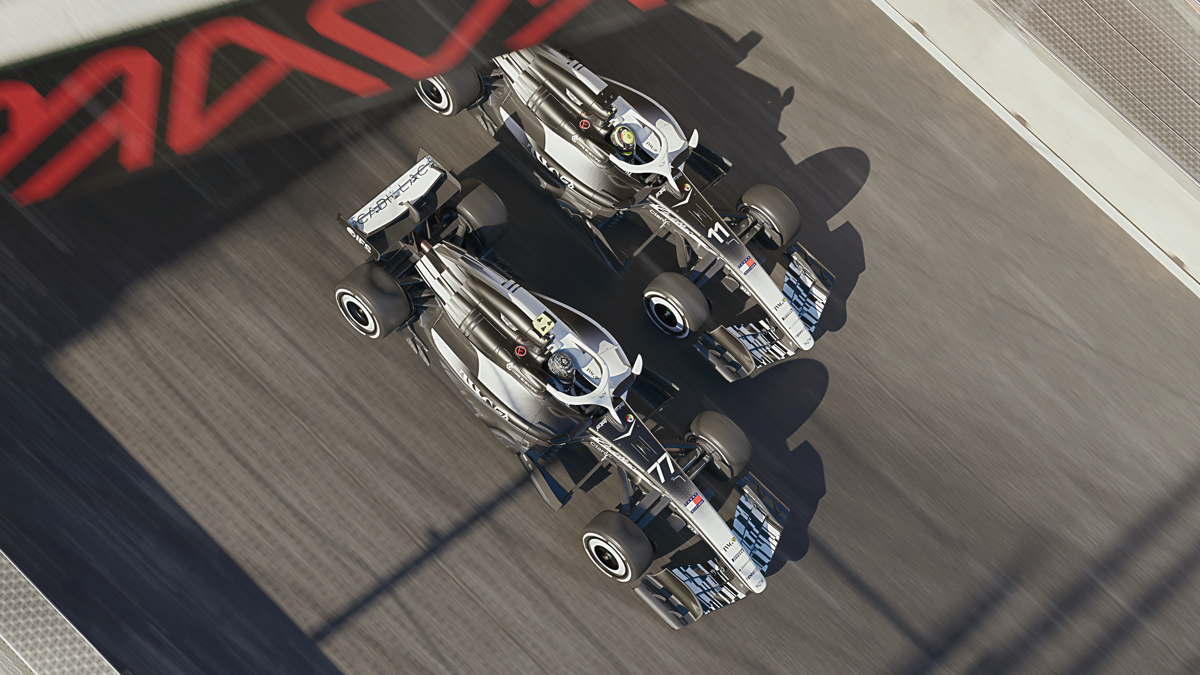
Before the generation that gave us the PlayStation 4 and the Wii U, things were different within the world of console Formula 1 racing games, a lot different. Though the teams that took a stab at making a licensed title based on the world's biggest racing series would change throughout the 90s and into the 2000s, much of the resulting games they were all make would be similar in scope and function.
There were curiosities and bonuses in the periphery of some of the games, such as the Wipeout cheat in Formula 1 97, the scenario mode in F-1 World Grand Prix, and the historic cars in F1: Championship Edition and F1 2013, but these games were by and large the same when you got into the meat and potatoes of them. In a time when NASCAR understood that it was good for the sport for their licensed games to have a bit more freedom in terms of what they could be, Formula 1 under the guise of Bernie Ecclestone was the hardest nut to crack in terms of it's licensing agreements.
The games beyond these, often one-off, side features were all fairly rigid with their structure of quick races and a season mode that lacked any of the malleability found in the championship they were replicating or in their NASCAR Thunder counterparts. Even if you could have your own driver be in a career mode in F1:CE or the early Codemasters F1 titles, there wasn't much left to the imagination in a racing world where you were the only thing that changed, though at least you can rise through the team ranks and find yourself at the top of the food chain after a couple seasons of hard racing as yourself for once.
But by 2014, the momentum and optimism that Codemasters had earned when they first got the Formula 1 license prior to 2010 had long gone. The reality was that they too were still dealing with the most rigid licensee in all of sports, and the hope that things would be different off the back of their success with GRID and DiRT 2 hadn't materialized. At least, not yet.
F1 2014 and 2015 would come and go with the change in console generation happening in that time. The latter of those two entries would be the first on PS4 and on an updated version of Codemasters's veritable EGO Engine, but was as bare boned as it's predecessors outside of being the very rare console F1 title that had more than one season on offer. Both the 2014 and 2015 seasons were there, but there wasn't much left to the imagination beyond that and the added electric power management that made up the new power unit formula wasn't yet a part of the game either. For those who got to play them, they were effectively throwaway games only good if you wanted to play their respective seasons. In some ways they were regressions after the press conference and interview functionality the earlier Codemasters F1 career modes were gone, as was the young driver's test tutorial mode from 2012 and the classic cars from 2013.
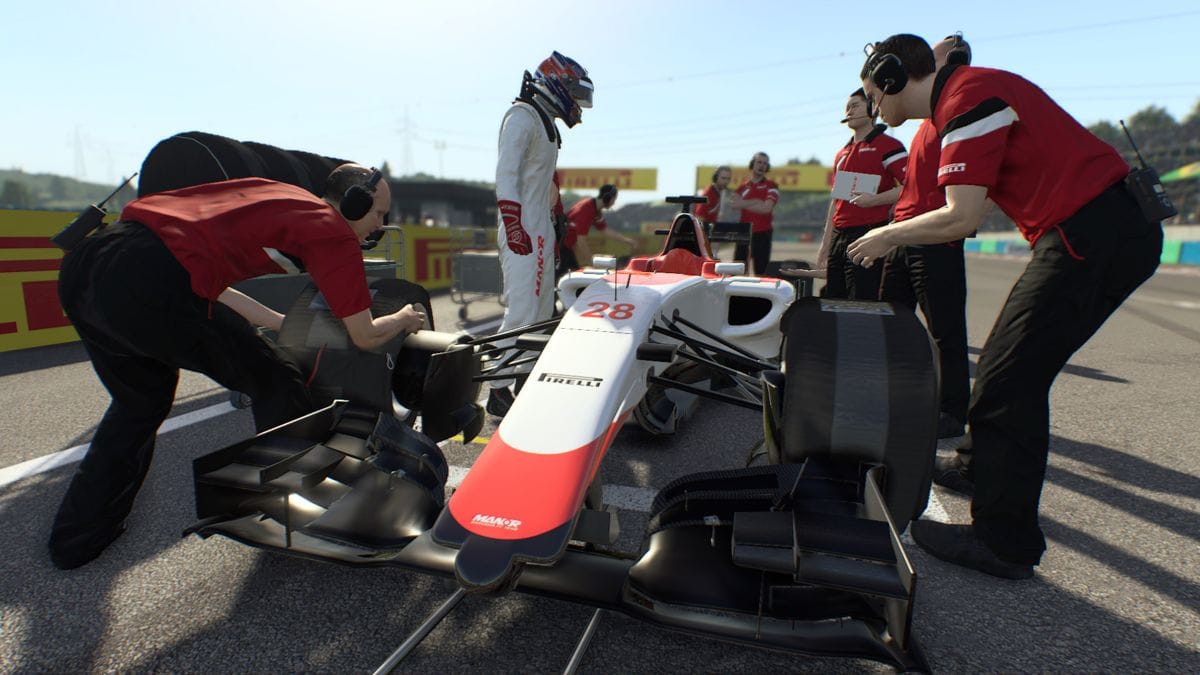
These two games existed in a weird state that hasn't been seen within the world of the yearly licensed racing game but has been seen in the prior two generations of contemporary sports titles: the rebuild year. With a big changeover in hardware and technology, a lot of the focus was just making sure the fundamentals worked as intended before the big investments in getting the overall gameplay where it needs to be could be done. It took time for Madden NFL and NHL to back on track on the PlayStation 3 after the halcyon days of those respective franchises' iterations from 2004 to 2006. Though it's no longer an issue, the leap from PS2 to PS3 and from PS3 and PS4 were so great that it did require it at some capacity; and Codemasters were no different. When their rebuild was done, there was a secondary boost that came the way of the team in Birmingham.
In order for Formula 1 to become the juggernaut it is today, work had to be done to have it be in with the times. Though Bernie Ecclestone had done an incredible job as the sport's boss in allowing it to roll with the punches in the ever changing economic environment, it still in ways felt like a relic of the past in how it approached the internet, social media, and the overall spectator experience. Bernie was now entering his 80s, and clearly had his ways he wanted the sport to be run; but that was slowly changing before Liberty Media put that transformation into overdrive when they acquired the sport. Though one of Bernie's lasting legacies in the sport will be enacting the major aerodynamic formula changes for 2017 that made the racing more processional than the typical F1 fare, that burgeoning embrace of the digital world that happened prior still happened under his watch. A part of that was the eventual loosening of some of the restrictions and requirements on the officially licensed F1 game, and the potential to be more than the hard sum of the season a individual game sought to replicate.
Though what could now be possible wasn't fully known, the first Formula 1 game that would be made under this renewed understanding of a F1 licensing agreement would be F1 2016. A fresh through-line previously thought impossible for Formula 1 games started a decade ago and resulted in games that felt worthy to be looked at positively in comparison to the more contemporary stick and ball titles, and the golden age NASCAR games from EA Sports that started with NASCAR Thunder 2004. Things were relatively humble to start with the reintroduced career mode having a development race, meaning that Mercedes and Ferrari could be near the back of the field after multiple seasons; as well as some customization options in terms of race start times in quick races and multiplayer and being able to use your own number and helmet colored to fit your preference. Classic cars would return the year after and be a mainstay for a few games, and the career mode would continue to be expanded to include more team management elements before the biggest change previously impossible under the old license agreements became a reality.
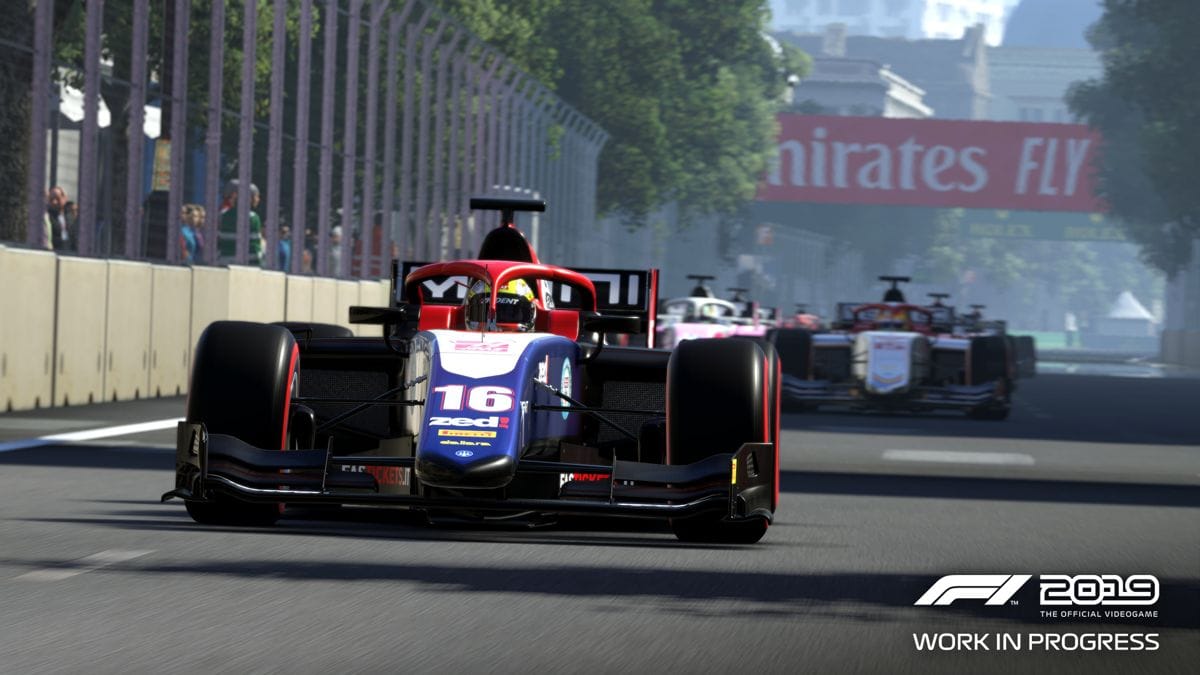
F1 2019 and 2020 showed the full strength of the new licensing agreement now between Liberty Media and Codemasters. Real drivers being able to change teams was now happening organically for the first time since Grand Prix Manager 2. You could now make your own team and join the grid with the My Team mode, and Formula 2 was now fully licensed and included in the game with it's drivers being a part the F1 grid on a long enough timeline after drivers retired from the sport. The Breaking Point story mode made it's first appearance in 2021, before the influence of Electronic Arts's acquisition of Codemasters's would be seen with it's equivalent to World of CHEL coming not long after. Though some of the year on year changes can feel incremental and lacked overall impact in the moment, there is another world that was created as a part of the looser licensing agreements; one that has resulted in Formula 1 games growing leaps and bounds compared to how things were, and in a much better place as a result.
We reach the tin anniversary of that rebirth of the Codemasters Formula 1 games, but without having a full release this year. The timing of treating the 2026 campaign just as a paid, post-launch expansion to F1 25 is a curious one, as the massive formula change would have provided the perfect time to do another major refresh to the formula of Formula 1 games the year before to better align with the anticipation marketed by the sport for this season. Instead, it's implied that the next major rebuild for Codemasters F1 is happening right now as they work in the background to prepare for the next decade starting with whatever F1 27 might be.
The work done in the last decade on the back of a less strict licensing agreement and a necessary rebuilding year paid off massively, with Formula 1 games finally feeling like fully fledged video games that now carry an air of respect when stood amongst their yearly stick and ball peers. They are not perfect games by any means and work still needs to be done, but before this decade of games we used to dream of Formula 1 games like this.
That reality seems to be taken for granted as Formula 1 video games finally got their golden age, and yet people can't help but complain about what they aren't. But that golden age started with a personal high note in my time racing in the so-called pinnacle of motorsport.