Full Game Teardown: Tokyo Xtreme Racer
The new Tokyo Extreme Racer feels like home, and it is good to be back.

Welcome to a Full Game Teardown. My review of the latest offering in the racing game world.
The world of racing games is always moving, growing and evolving. There is always so much in store and new adventures to be had whenever a newcomer comes up to bat regardless of it being a sequel in a long running franchise, or a wholly new and original release. And it will be always worth finding out of it's a good video game as well as being a good racing game and discover where it can grow and improve.
Today, we are looking at the PlayStation 5 release of Tokyo Xtreme Racer.
We all grow up having two homes. The first is our physical home: it's four walls, a roof, and a bed to rest and recharge. There's a hope that it is our shield from the perils of the outside world, so we can lower our shoulders and unclench our jaw after being put on red alert because of the horrors that exist across the globe that we all are being forced to witness and suffer from.
But then there is that second home: our emotional home, our spiritual home. It's the place where our mind hopes to do what the body gets to do upon returning to our physical home. We go here, and the outside world melts away and we're fully allowed to be ourselves; to go and enjoy the thing we truly want to do in this life. We go here, and everything is right.
It's not every day that we get the chance to go to our spiritual home; it can be years between visits though it will be as if it's core hasn't changed one bit when we finally get the chance to return to the place our soul always yearns for. Things along the edges will be different, but it doesn't change a thing one bit.
The new Tokyo Extreme Racer feels like home, and it is good to be back.
It has been nearly twenty years since the last main Shutokō Battle game had been released, and generations of consoles and gaming ideals have come and gone in that time. The thing is with the Tokyo Xtreme Racer titles is that they were always bang on with the time and the moment that they were made, and the newest release is no exception. The big leap forward is the vast expansion of the quality of life capabilities and options the game has on offer, with plenty of options to make the game control, look and sound the way you want it to. Within the game something so small as the unlockable ability to fast-travel between the pit areas makes progressing through a night of battling less of a chore if rivals end up driving to the other side of the map. It does highlight the relative lack of the rest areas compared to prior titles, which combined with the lack of resetting the rival pool in the rest area can make the cleanup at the end of the campaign's stages drag out before unlocking the final boss battle for the stage.
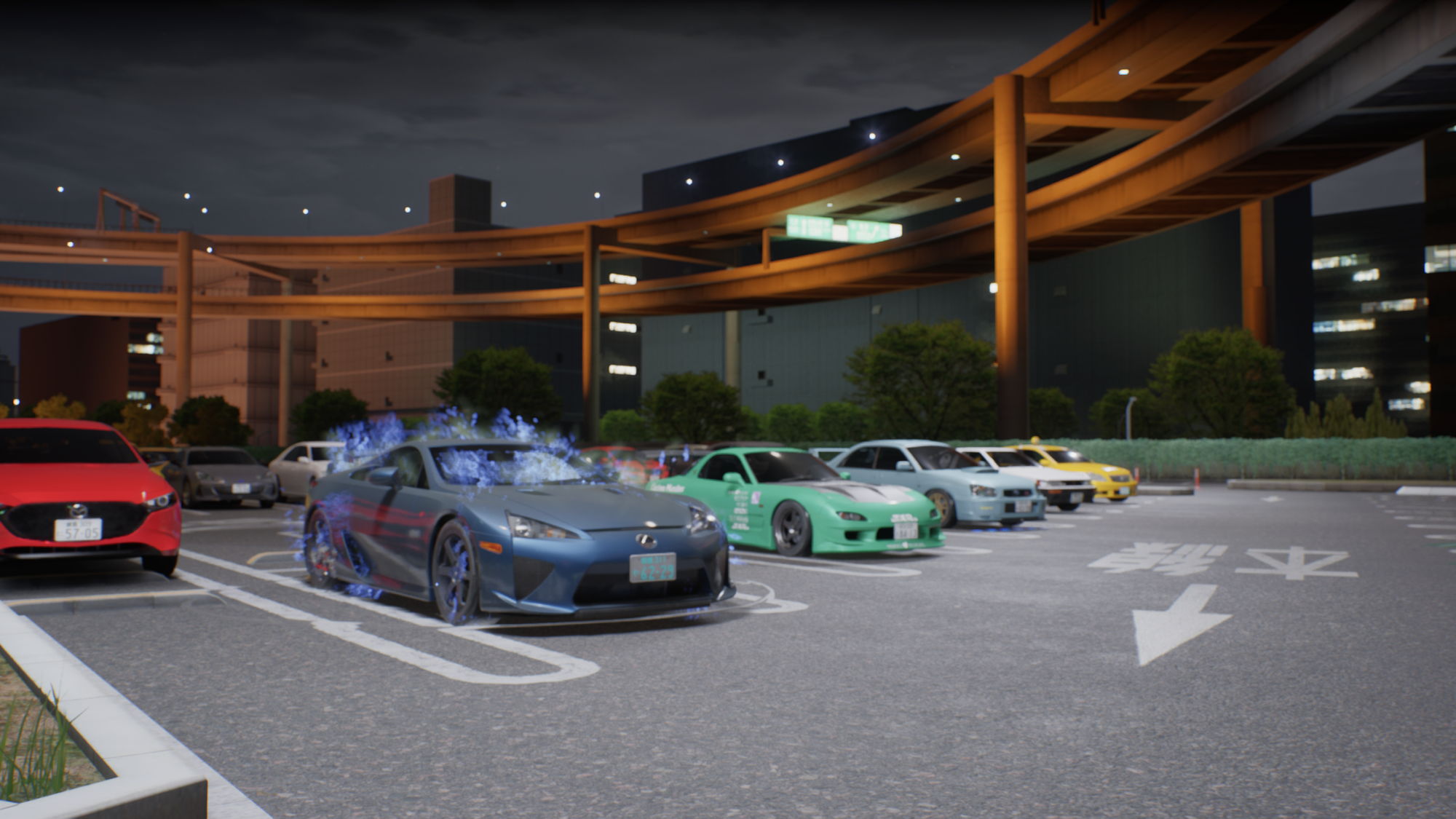
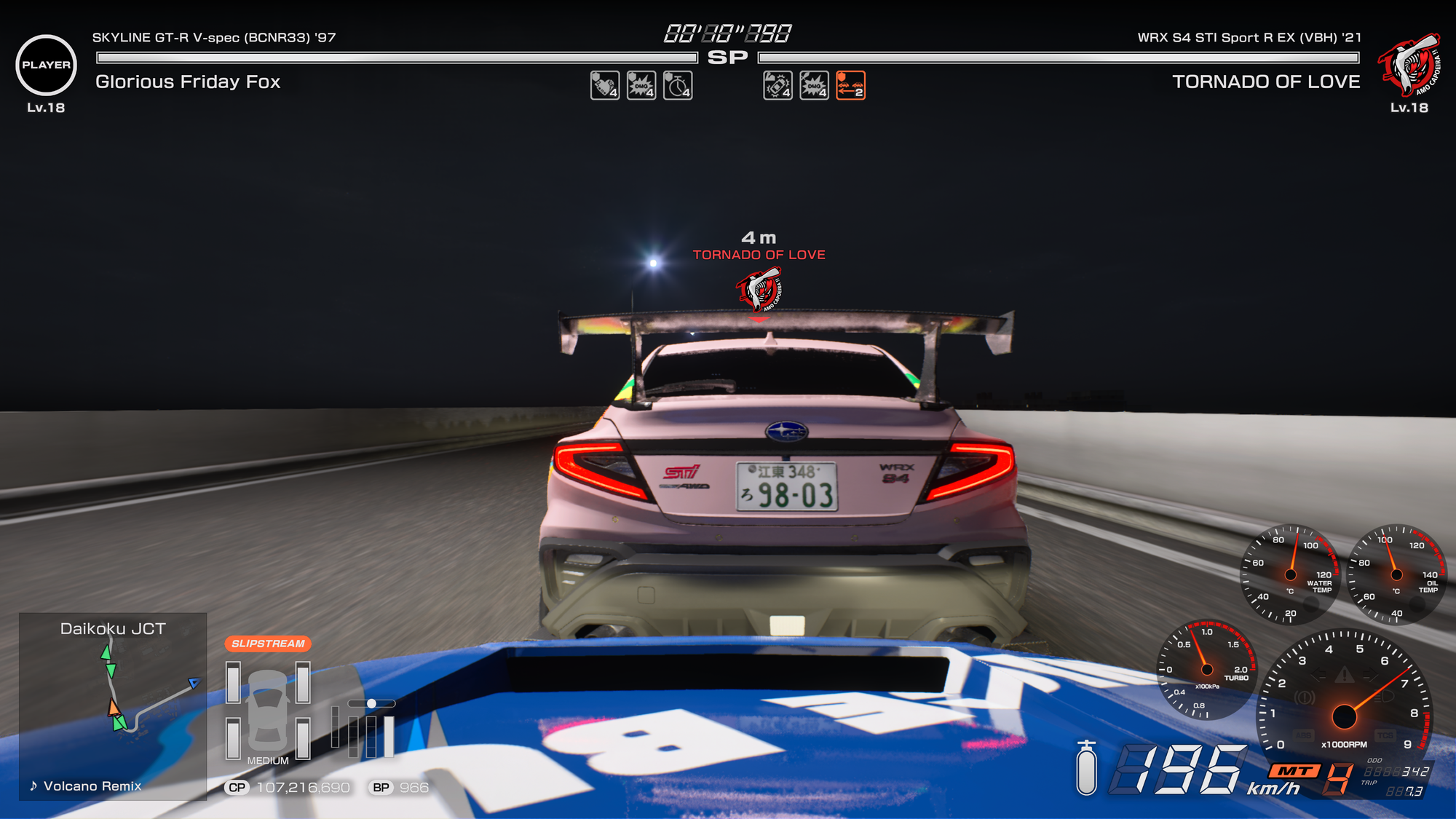
To get to those points though within the game's six stages, it is Tokyo Xtreme Racer at it's very best and some of the best action-focused racing out there on modern hardware. The battle system, using a fighting game life bar that drains dependent on who's losing the battle, has been given a much needed refresh through the addition of perks and base stats that you unlock and increase as the game progresses respectively. It adds a much needed depth to the battles, and provides the chance to rally back from a rough start against bosses or quickly sweep basic rivals off their feet. The dynamic of those battles have changed a bit as well, as this is the most fair out of the blocks for the player these encounters have been.
In the past: team bosses, wanderers and stage bosses would rocket away past 60 feet and then you would need to use your superior cornering capabilities to make up the difference or hope they didn't rocket away at all. But now you're the one that's relatively grip limited, but have the straight line advantage over a vast majority of the key rivals. Even on the big-end of races on the Bayshore Line very few can keep up or get ahead, and the ones that do can be dragged back with the slipstream distance getting dramatically longer as speeds quickly hit 400 km/h. You do need to plan ahead much more when it comes to cornering with the amount of momentum lost trying to take a turn is astronomical compared to rivals, while the penalty for wall riding the harshest it has been in the franchise. You also need to plan ahead to deal with the traffic, which means looking well far ahead of where you're going which makes the hood camera perspective effectively useless.
Cars feel still and top-heavy, with the inside front corner not doing a whole lot of work in turning while it is also very easy for the rears to break free under breaking even with ABS enabled. Tokyo Xtreme Racer games have always driven a little clunky, but the flip from lateral grip heavy to longitudinal grip heavy does allow the game's feature races to truly shine, though it makes trying to survive the C1 loop or the middle leg of the Yokohane section a frustrating endeavor at speed. With the added longitudinal grip there isn't a lot of drama out of the gates, and that gets amplified with the traction control that you cannot disable clamping down early and hard. It's an odd omission as disabling anti-lock braking is an option in the tuning screen and the more traditional TXR mechanics of tire wear and engine temperature management fully optional for those wanting a more relaxed experience. But for grizzled veterans of the genre, you want the full experience and being able to tune out some of that lack of responsiveness on entry is possible to an extent.
It feels good to be back on the C1, Route 9, and along the Yokohane and Wangan highway routes that run alongside Tokyo Bay. Moving to Unreal Engine 5 has allowed for game state to easily flow from being in battles and freely driving along the highways, and Genki put in a lot of work to make this perhaps the most refined racing game at this scale to use the engine. Racing games have often struggled on Unreal; with optimization between the constant physics load and the graphics rendering making games often clunky to drive and navigate or feeling flat with a shaky framerate. The only major issue that comes from using UE5 is the often unpredictable nature of how the energy dissipates from hitting a traffic car at speed: a bad collision into a traffic car can send you out of the park and can prematurely end your night in Tokyo. This can play to your advantage with rivals being the most aggressive and nasty they've ever been: willing to throw hard blocks, swerve to try and prevent you from passing, and play chicken with the traffic as much as you do which will backfire for your rivals. This is the most intense, and most complete a battle is capable of being within the franchise with contested victories the most satisfying it has ever been. The last battle in the main campaign, before the journey to 100% competition begins, is one of the best battles of the franchise and one of the best single races the genre has had in a very long time. There is nothing quite like battling The Speed King on the Wangan at the very limit.
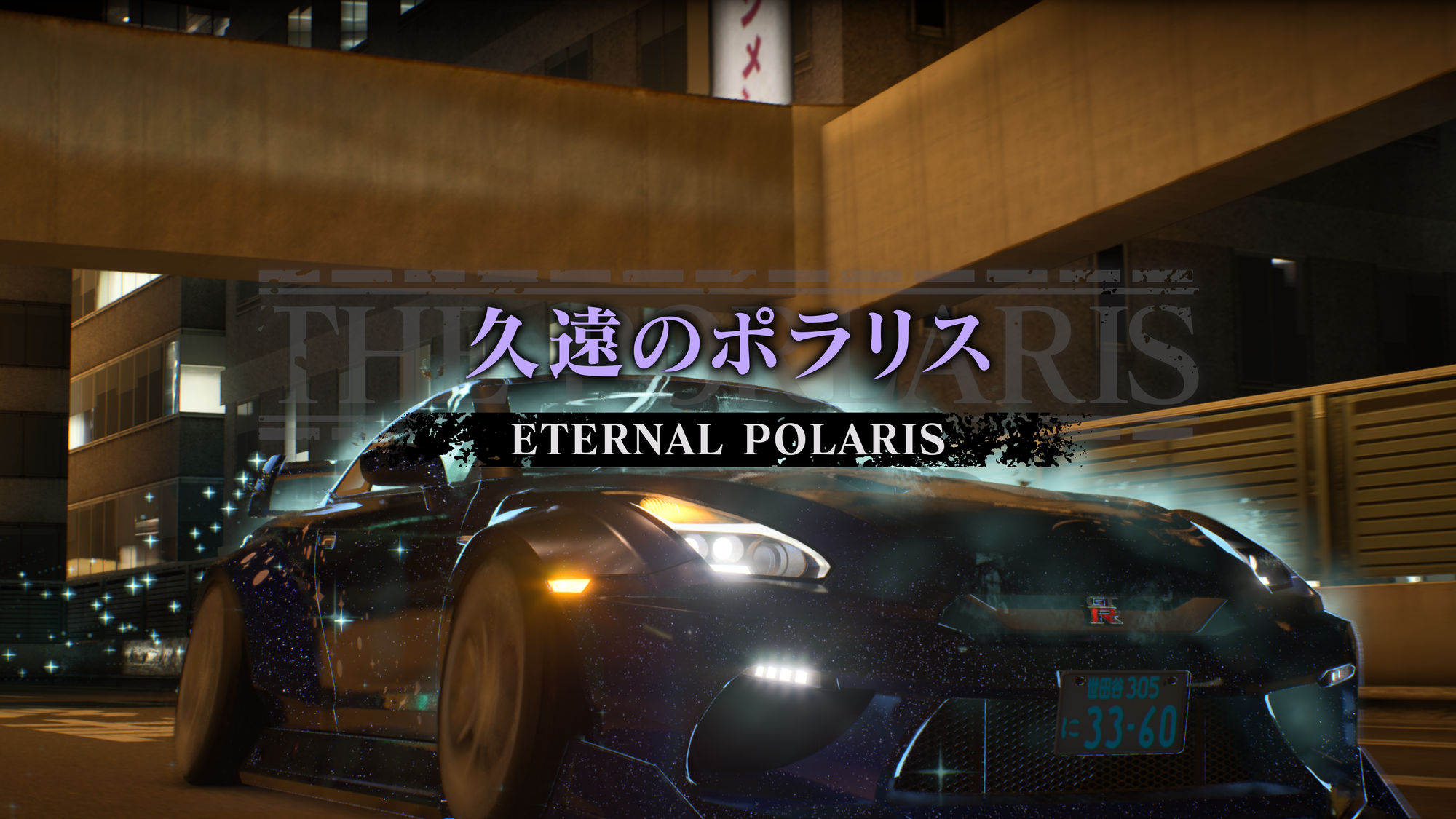
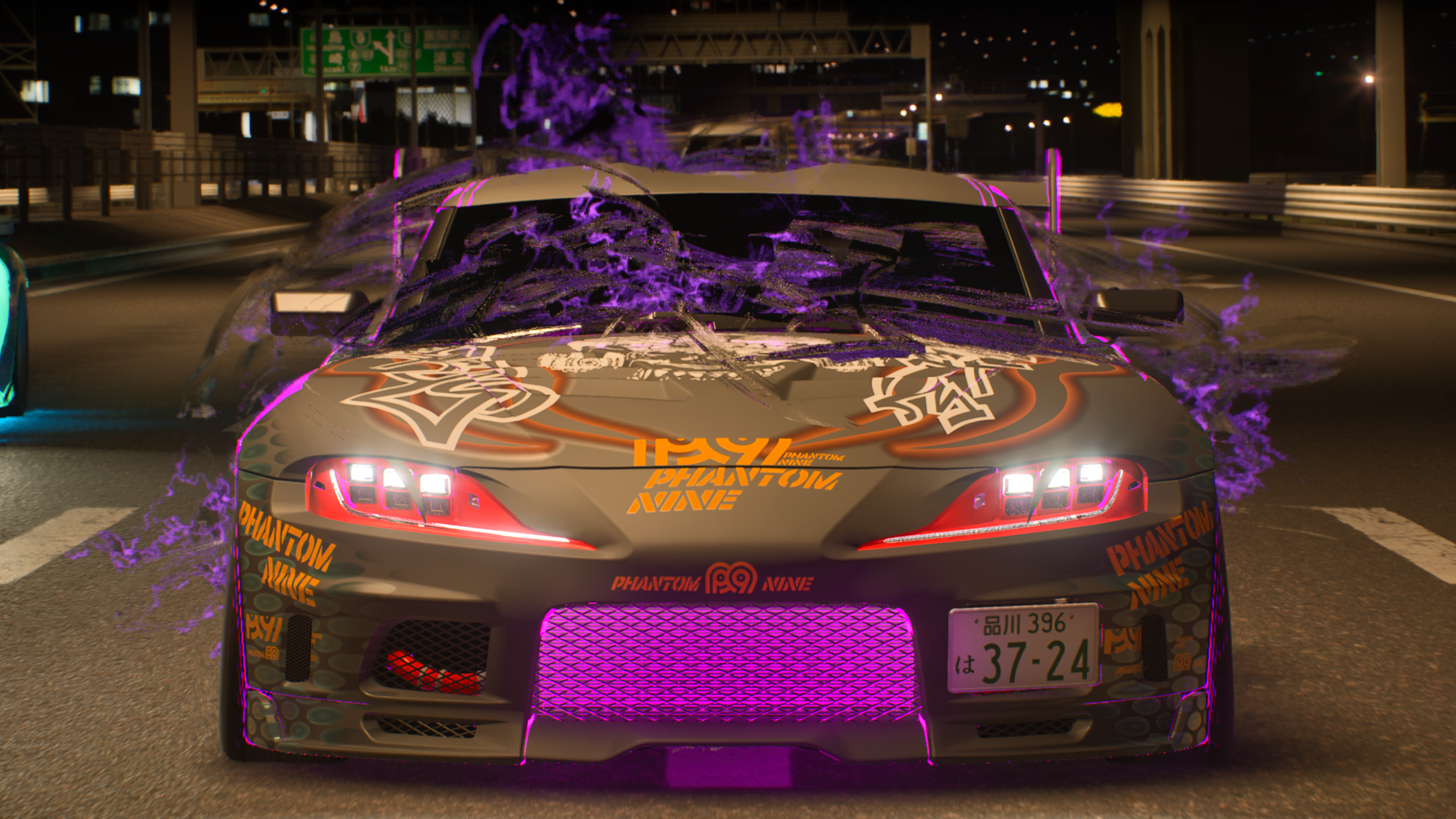
With it just being Tokyo, there are plenty of names and faces hoping to make this highway their own. There's now multiple overarching developments and stories happening, as a pair of new faces start their journey to discover what it means to race on these hallowed roads. These roads are alive and nave never looked visually better than they do today, and they will always sing a Call to Adventure for racers new and old. You and Eternal Polaris are the pattern interrupt after the world of TXR has become stale in the years following Import Tuner Challenge, and has given other actors a reason to make their move. It's just enough of a story, combined with the already built in characters and relationships of the rivals, for the player to want to keep going and see this through to the end and discover why they want to race for themselves. That's the beauty of the Tokyo highways being home: the meaning and joy we take from them changes as we grow and see the world differently, but these highways will always welcome you back with opened arms. It's a character in it of itself, and it's what makes all these games special.
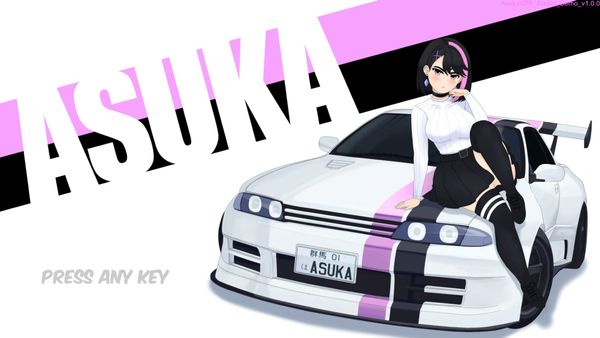
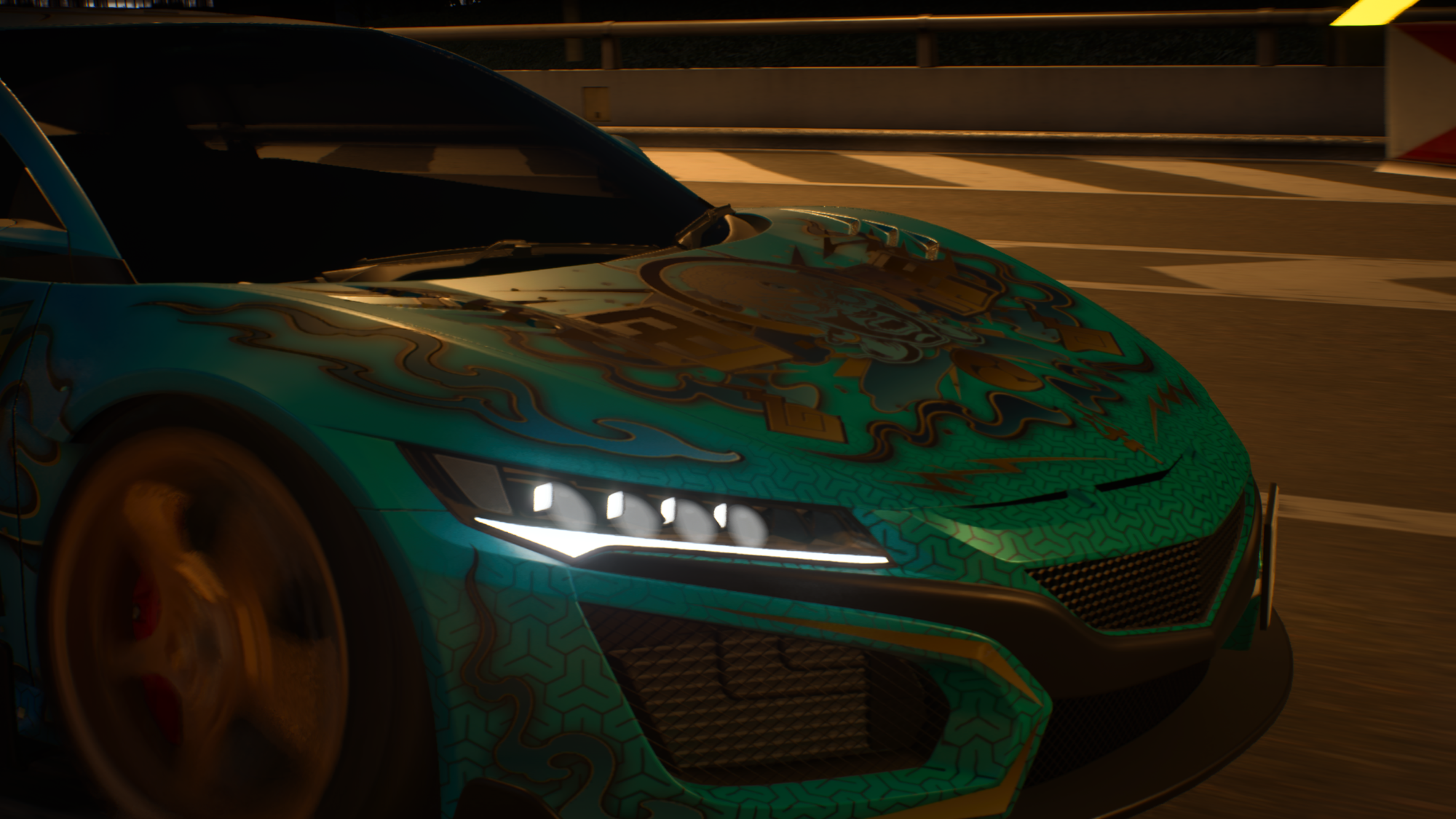
A part of that modernization that's taken place is that improvement to the car customization and personalization. This is the most smooth and seamless moving decals across a car has been outside of Gran Turismo 7, though lacking the ability to skew and fully manipulate decals to the same capacity. Unreal Engine 5 also allows for easy texture changes for the car as well, meaning matte and metallic finishes are as simple as a slider when choosing custom colors. You can now put on an aura like the major bosses have, and they complete the potential look of your fastest cars exuding power in ways only possible in Tokyo Xtreme Racer. There is more to it though, as this franchise has always been about showing off a further depth to what Japanese car culture is about with these games being the most extreme of those conveyances. The one kaido racer in the game is as extreme as it can get, and the VIP Style and classic drift cars made by Genki for the rivals shows off the variety and depth that is out there within the Japanese car scene, though the car list can only tease what's out there at a glance. The car list is overall a good roster, though the lack of non-Japanese cars for the second game in a row does result in a lack of options for viable cars in the second half of the game or in the more extreme challenge mode past new game plus.
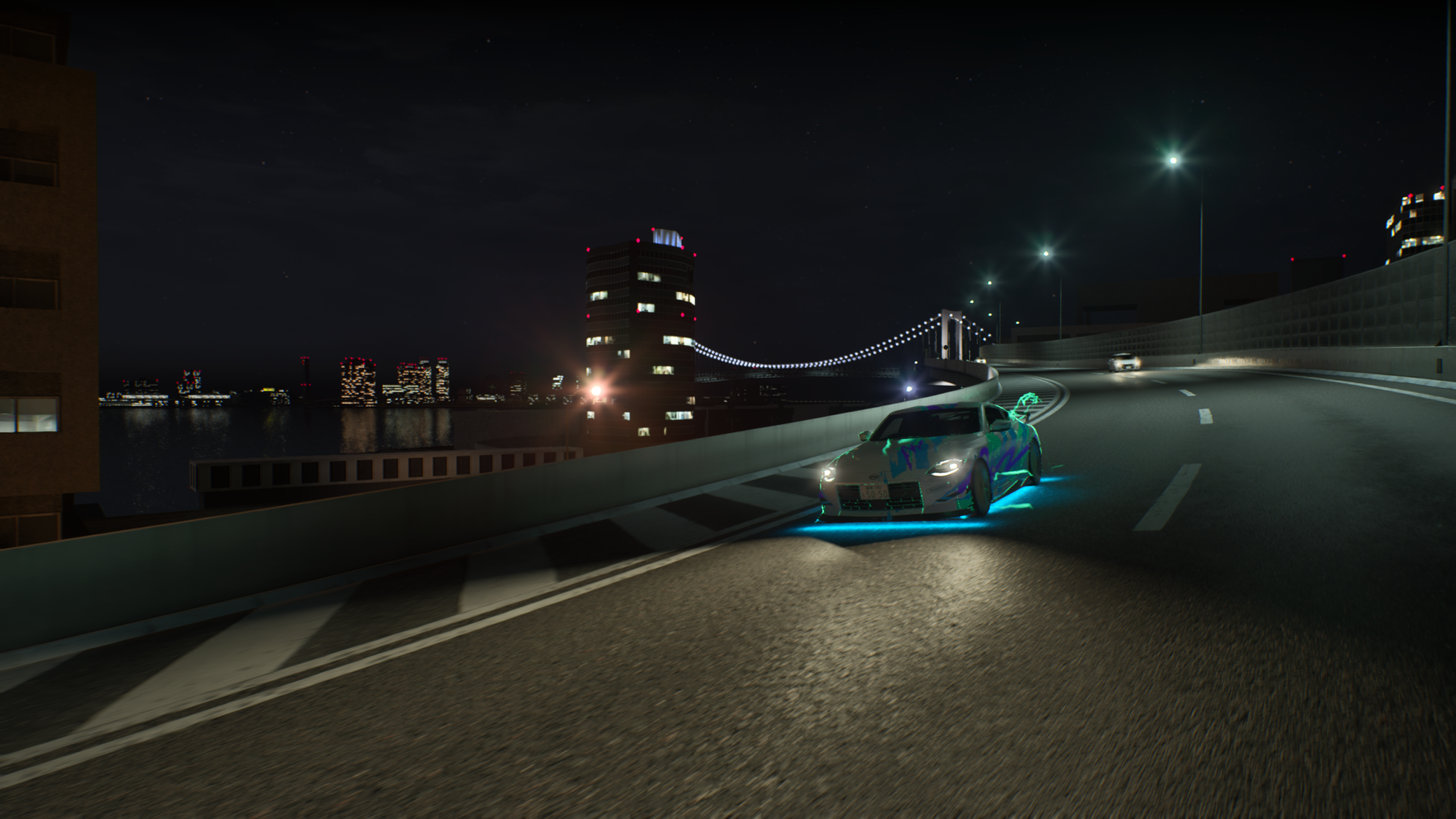
It's the rare racing game that can do a NG+, and it gives you a chance to explore and fully see what the game has to offer. You're no longer nickle and diming points to unlock perks after prioritizing performance upgrades, and engine swaps are the most accessible they've ever been in the franchise. It's perhaps the easiest game of the franchise to get to see the true ending as a result, but to have racing games where this is possible and will continue to be a blast for multiple future playthroughs shows is why this franchise remains special. These are comfort racing games, with an undeniable just one more race effect possible if you get a good race win combo going and can see the end of a chapter coming up. And then the end of the chapter comes, the rival roster opens up again, and that desire to race reignites. It's the Tokyo Xtreme Racer way through and through.
There is no place like home: that place you come back to and everything just feels right and your soul is at peace. That is the feeling of coming back to Tokyo for the first time since 2006 and seeing everything be exactly where it should be. The newest Tokyo Xtreme Racer is fantastic, and a reminder of what the racing game genre can and should be. It's incredibly refreshing between it and SCREAMER to see racing games that aren't the safest of choices made by big-time developers that know that the genre can and should be the home of the weird, whimsical, and the wonderful even at it's highest level.
If there was ever a time for that reminder with how the genre has lost it's magic in the last few years in terms of major releases, it was right now. Genki delivered on that promise of bringing back that home we all sought for when driving cars in the virtual world.
You can find Tokyo Xtreme Racer on Steam and on the PlayStation Store.