A Drago Never Meant To Last
Real racing teams naturally come and go, but why is it unnatural when a top virtual team closes?

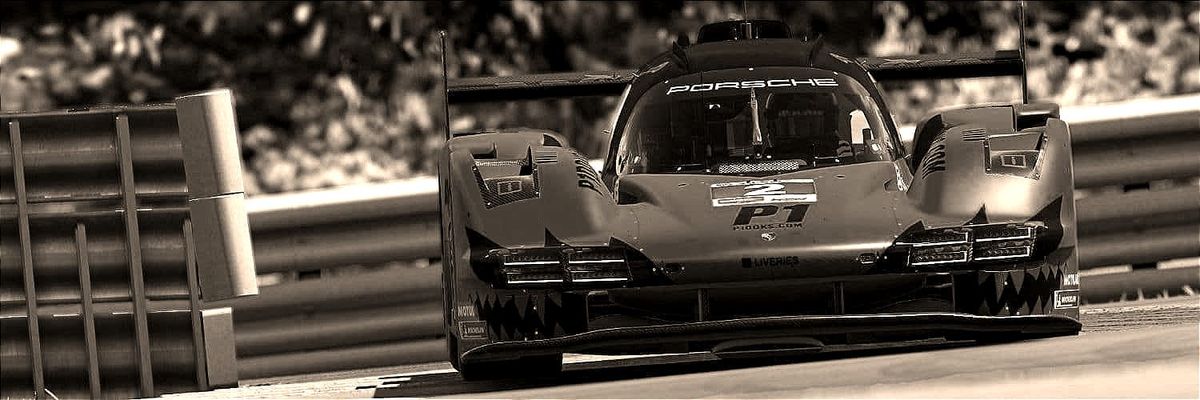
Winning two of the major endurance races to start this year, back to back victories in the Twelve Hours of Sebring, and a iRacing World Championship in their very first year of competition. And just like that, it's over.
At the start of May, Drago Racing announced suddenly that they were "ceasing operations with immediate effect" per posts on their social media pages. The team, not to be confused with Japanese outfit Drago Corse, made an undeniable impact in the little more than three years they were active within iRacing and had made a small transition to the real world in supporting Alexander Spetz as he began racing a Renault Clio Cup car across central Europe.
There is an undeniable Drago Racing-shaped hole in at the very highest level of road racing on iRacing that is going to get filled over the coming weeks and months as teams vie to be the best of the independents. A bunch of very good drivers, including Gran Turismo World Series drivers Nicolas Rubilar and Angel Inotroza, are now suddenly on the market in the middle of the season though much of the back-end infrastructure they were using, including setups from P1Doks, remains in tact. It's just that the glue that brought it all together and made such incredible success possible in such a short time, spearheaded by Polish national goalkeeper Bartłomiej Drągowski, stopped sticking everything together.
It took me aback to see such a high profile team simply close up shop in this regard because of how usual it is for such a complete team to collapse. It does bring into question the circumstances that has caused this to happen, if it was an issue of finances or a deeper disagreement in management, but it highlights the reality of how rare this truly is in the virtual racing world. Teams that are as complete of an operation as Drago Racing don't simply close up shop out of the blue, more often quietly fading into the night like what's been seen with Altus Engineering. It also shows the major contrast that does exist between the real and the virtual in the purposes and motives of teams that compete across all levels and all realms of racing.
Of course to race as a hobby or as a profession it costs money, but the cost for real racing at an equivalent level to the iRacing Majors or their eSports Series is in the tune of hundreds of thousands, and even millions of dollars for a whole year. You don't have to pay for fuel, tires, all the logistics to and from race tracks in the virtual world and it makes paying fifteen dollars for a track on iRacing and twelve for a car seem modest in retrospect. Major costs that can occur, such as new hardware for a computer or racing wheel, is every few years if not more and the likelihood of random mechanical failures are low. After this initial overhead and other ancillary costs such as internet bills, to take part in a race in any of the games on any given day, iRacing Majors included, is effectively free; and you can't say that about racing in the real world.
To race at an equivalent level to what Drago Racing did in the virtual world come the real world, people also need to get paid and paid handsomely. The amount of money that goes into buying, maintaining and taking these race cars that then goes into the human knowledge, skill, and labor required to make a race team tick is astronomical and doesn't stop if the car isn't racing. At the highest level, the Formula 1s, WECs and NASCARs of the world, racing is a business first though there is some understanding that the return on investment for the competitors is often in the abstract rather than a true monetary return. The entity that needs to turn a profit are the organizing bodies and promoters that bring it all together: making revenue through entry fees,from the event itself, sponsorships, and broadcasting. While it's commonly understood that racing doesn't make money, perhaps it's better understood that it only makes money for those at the very top of the pyramid instead.
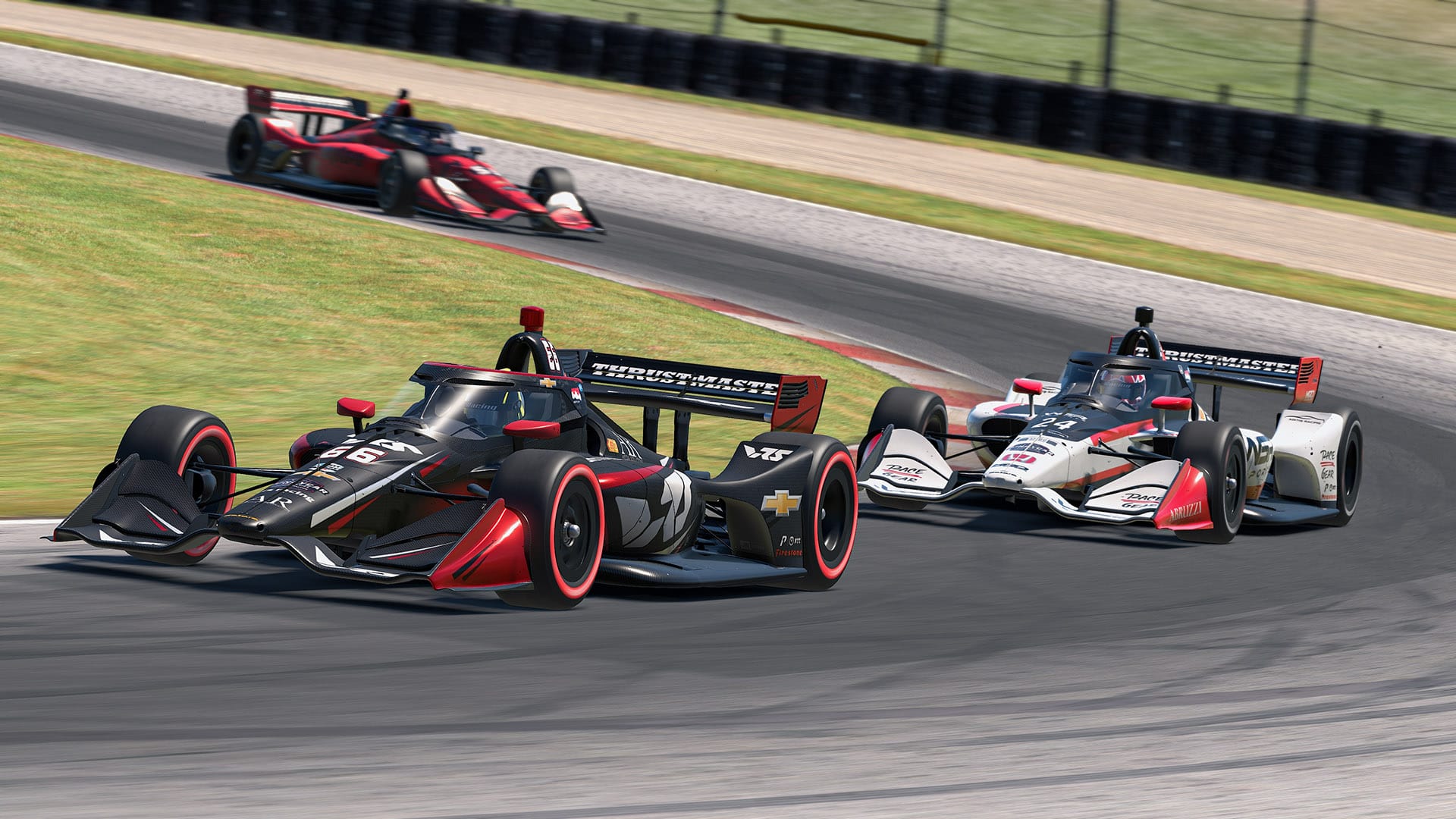
The people doing the engineering and setups of the cars and the drivers who race them in the virtual world at the very highest level believe that they are entitled to the sweat of their brow. They shouldn't be doing this at their cost and be effectively unpaid marketers for the competitions they race in, but their pay is often minuscule in the teams they race for or in the prize winnings. Those engineers do have a second revenue stream available to them in making setups for those who don't or can't make one for themselves, but drivers don't have that same ease of accessibility to additional income unless they go into driver coaching or stream their races online. Steven Wilson won one hundred thousand dollars last October when he became eNASCAR Coca-Cola iRacing Series champion before payouts to those setup makers and engineers were taken into account, as well as it being taxed in the United States. Nobody else is making that money from race winnings, and it goes to reason that if real racing doesn't make money it should be expected that virtual racing doesn't make money either.
At least for most of us, this isn't an issue as it's still understood what racing in the virtual world should be about. Things should change for the Steven Wilsons of the world, but it needs to start with understanding that these events don't happen without the drivers; that their labor makes it all happen and they should have a seat at the table. But then, where will that money come from?
There are more teams than we could ever know that race virtually. Did you know that I have my own team when I race in leagues on Gran Turismo 7 and am a member of an endurance racing team on iRacing? Having a team in the virtual world can be as simple as thinking of a team name and having it show up on a entry list for whatever event you're doing or having it show up as a logo on the car you're racing, and even they could be a part of the biggest races in the virtual world. It all has to start somewhere, and it highlights the true nature of racing in the virtual world that I highlighted in the fallout of "Split 22" that we should be doing this for the fun of it because racing is fun. Virtual racing, and club-level racing in the real world, is much closer to a Beer League than often accepted even in something like a top split iRacing Daytona 500. The payoff for putting in all the money to acquire the hardware to be able to race in these events is the emotional joy of doing something that is closer to reality than we often realize and is similarly fun to driving a Mazda Miata around your local road course or racing a Honda Civic around a short track on a Friday Night. But things change when there's an added expectation from the top.

As soon as an external force and pressure is put onto it where the expectation is to give the act of racing an elevated meaning, so many issues are introduced to where the only forces that benefit from it are at the very top of that pyramid. It then puts pressure on those teams who seek to follow in it's footsteps to elevate themselves, which then brings the expectations that setup engineers and drivers alike should be getting paid fairly for their labor. These teams need to find funding to make sure those needs are met, through sponsorships in a highly competitive field or from a rich benefactor bringing everything together. Drago Racing had that as a true independent, not attached to a major real world entity like a Williams eSports or BS+ Competition, and were able to be incredibly successful in such a short period on their own terms. And just like that, it's gone.
Before that ending, it all has to go back to the beginning. What is sought to be gained from creating a virtual racing team with the explicit goal of racing at the very highest level? If there is no money in real racing unless you're at the very top of the pyramid, what are you looking to achieve when there isn't a possibility to get even an abstract return like a factory effort can get via a marketing boost or research and development improvements in the Formula 1s or WECs of the world? In the capitalist society we all live in where the goal, however possible, is the line has to go up, what point is there in making a virtual racing team for anything other than to have fun? Who's really benefiting from something like the Coke Series or the Gran Turismo World Series, and why have we let it dictate what are the popular things to do in realistic racing games?
In the grand scheme of things, the closure of Drago Racing is a blip on the radar. There will be teams to take their place on the grid of big races, and the drivers that were displaced will have new homes if they don't already regardless of if they're being paid for their labor. That in it of itself follows one of the true spirits of racing that has stayed true since the very beginning: all comers will be given the chance to take a bite at the cherry if they are able. And if you are able, you will be entering a world of some of the most fun you can have from the comfort of your own home.
Having a team of your own is a part of the fun, and we need to remember it should be fun first. As soon as a real cost and expectation from above is added, the real price is fun and a Drago that was never meant to last.